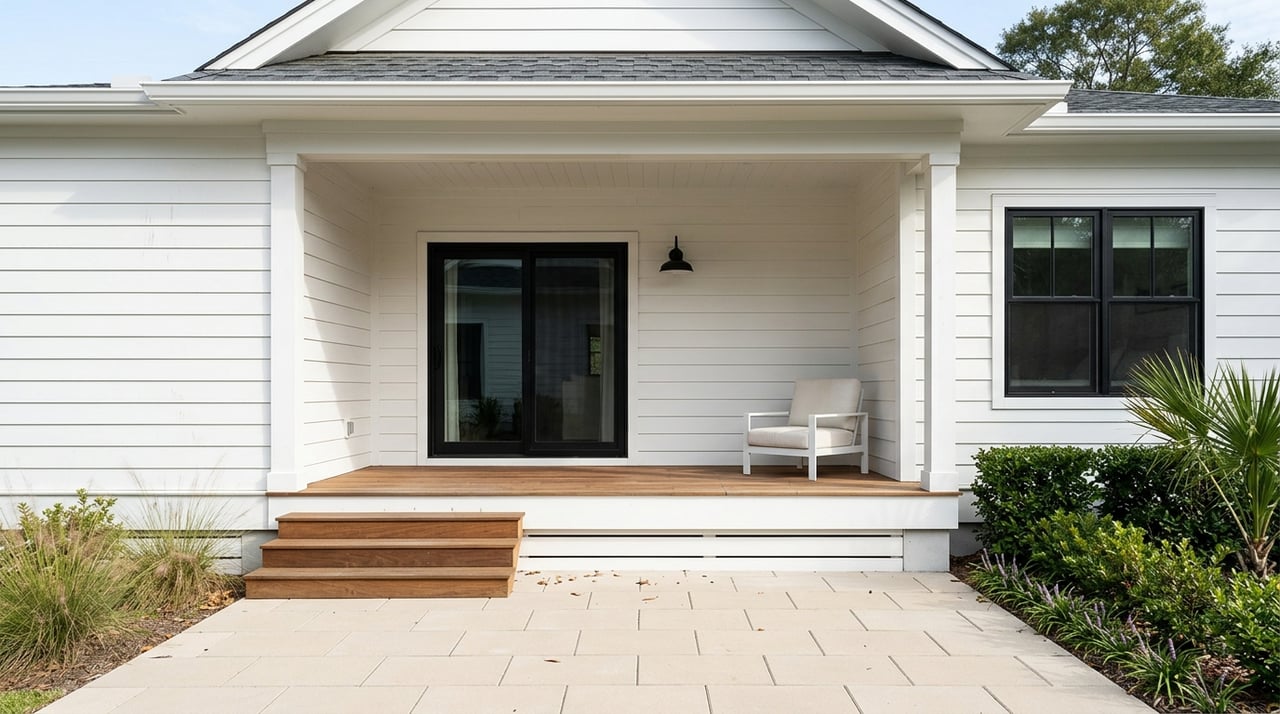
Tybee Island Vacation Rental Investment: Buy With Clarity
Wondering whether a Tybee Island vacation rental is a smart beach-house buy or a more complex business decision? On Tybee, it is often both. If you are thinking about buying a short-term rental here, you need more than a feel for the island lifestyle. You need a clear view of zoning, permit rules, taxes, flood risk, and day-to-day operations. This guide walks you through the big factors so you can evaluate a Tybee purchase with confidence. Let’s dive in.
Tybee Island is a coastal market shaped by tourism, weather, and local regulation. The island draws visitors for its beaches and vacation stays, and local tourism content highlights spring and summer as key travel periods. NOAA climate data for the Savannah area also shows warm conditions through late spring, summer, and early fall, which supports a seasonal rental pattern.
That seasonality matters when you run the numbers. A property may perform very differently in peak warm-weather months than it does during quieter periods. If you are comparing Tybee to other Georgia markets, it helps to think of a vacation rental here as a seasonal coastal asset, not a year-round steady performer by default.
Buyers on Tybee will typically see a range of vacation-rental-friendly property styles. Local tourism sources describe apartments, condos, cottages, townhouses, single-family beach homes, and larger oceanfront homes. Common amenities include pools, hot tubs, kitchens, parking, pet-friendly setups, and beach access.
Location on the island also shapes the rental experience. Vacation stays are often grouped by areas such as North Beach, Mid Beach, South Beach, and Back River. That means your property’s appeal is tied not only to the home itself, but also to where it sits within the island’s visitor patterns.
In Tybee, a short-term rental is an accommodation rented to transient guests for less than 30 consecutive days. The city requires short-term rental certificates, and those certificates run on a calendar year with annual renewal. That alone makes it important to confirm a property’s current status before you close.
This is one of the first areas where buyers can get into trouble if they assume a home can simply become a vacation rental after purchase. On Tybee, local eligibility rules and permit history matter. Before you count on rental income, you need to verify what is actually allowed for that specific property.
Tybee does not allow new short-term rentals in residential zoning districts R-1, R-1-B, and R-2. The city says some existing properly permitted rentals in those districts may continue as nonconforming uses, but only if they meet the city’s rules, including the 60-day rule, and there has been no transfer of interest in the permit holder or the property.
For buyers, this is a major due diligence issue. If a seller tells you a property has operated as a vacation rental, that does not automatically mean the same use will continue after closing. Ownership structure, permit history, and how title is being transferred all need careful review.
Tybee requires an owner-designated local agent who can respond to complaints within one hour. The owner or agent remains responsible for compliance. If you live off-island or out of town, this requirement becomes a practical part of your ownership plan from day one.
This is also why management is not just a convenience in this market. It can be a key part of staying compliant and keeping operations smooth. For many buyers, especially those purchasing from outside the area, local oversight is part of the business model.
Tybee’s short-term rental application includes several operating details that buyers should understand early. The city requires parking information, proof of liability insurance, and an occupancy-based regulatory fee. The fee schedule starts with a $200 base fee and adds per-person charges based on occupancy tiers.
The application also requires an exterior emergency contact sign. In addition, owners must provide proof that their insurer knows the property is being used as a short-term rental. That is an important detail because insurance needs for a vacation rental can differ from those for a primary residence or second home.
On Tybee, running a short-term rental includes guest education. The city requires owners or managers to provide guests with the applicable noise ordinance, beach rules, occupancy limits, parking plan, trash pickup policies, disorderly house ordinance, and good neighbor policy.
That means your operating plan needs to go beyond bookings and cleaning schedules. You also need systems for communicating house rules clearly and handling issues quickly. A property that is easy to market is not always easy to manage, especially during busy travel seasons.
One of the biggest mistakes buyers make is focusing too much on gross rent. Tybee requires a 7% local occupational room tax on short-term rental lodging charges. Those returns are due by the 20th day of the following month, and monthly returns must be filed even when no tax is due.
Georgia also taxes accommodations under its sales and use tax system. The Georgia Department of Revenue rate chart lists Chatham County at a 7% combined sales tax rate, and the state also requires a $5 per night hotel-motel fee on applicable accommodations, including short-term rentals handled through online marketplaces.
When you model income, it is smart to look at what remains after taxes, platform fees, cleaning, utilities, supplies, maintenance, and reserves. A strong nightly rate can look very different once layered costs are accounted for. That is especially true in a market where compliance and coastal upkeep are part of normal ownership.
Chatham County collects ad valorem property taxes, which are due November 15. The county also notes that rental property does not qualify for a homestead exemption. If you are buying a Tybee property as a vacation rental or second home, your tax picture may differ from what you would see with an owner-occupied primary residence.
This is another reason to avoid broad assumptions based on a personal home purchase. Investment or rental ownership comes with a different set of carrying costs. Building those costs into your budget early can help you make a more realistic offer and ownership plan.
Flood exposure is not a side issue on Tybee. The city states that residents and owners live in a special flood hazard area and may face evacuation orders when hurricanes approach. The Atlantic hurricane season runs from June 1 through November 30, which overlaps with part of the island’s warm-weather travel season.
Tybee’s flood information also notes that most homeowner policies do not cover flooding. Flood insurance through the National Flood Insurance Program typically has a 30-day waiting period. If you are financing a purchase or preparing to launch a rental, timing and insurance planning matter.
Chatham County says flood maps are used to set coastal building requirements and lender insurance requirements. The county also notes that high-risk A and V zones require flood insurance for mortgages from federally regulated or insured lenders. Even outside the highest-risk areas, the county recommends flood insurance and notes that many claims occur in moderate-to-low risk zones.
For Tybee buyers, this means no flood zone should be treated casually. Storm surge, king tides, and heavy rain are all identified local flood risks. Reviewing flood maps, elevation, insurance options, and lender requirements should be part of your upfront due diligence.
Tybee’s flood warning system can provide as little as 15 minutes of warning. That is a strong reminder that storm planning is not optional. If you plan to rent the home, you need a written evacuation plan, local coverage, and realistic expectations about cancellations and emergency response.
This is where the business side of ownership becomes very real. A Tybee vacation rental can be a great asset, but it operates in a coastal environment where weather can interrupt occupancy and create unexpected work. Buyers who plan for that from the beginning are typically in a stronger position.
Beyond taxes and insurance, Tybee buyers should budget for utilities, maintenance, cleaning, linens, furnishing replacement, parking management, and compliance costs. These line items may vary by property, but they are part of the normal operating profile for a short-term rental on the island.
It helps to build your analysis around actual operations instead of a simple rent estimate. Ask how the property will be furnished, cleaned, inspected, and maintained. Think through guest turnover, wear and tear, and how quickly small coastal maintenance issues can become bigger repair items.
Because Tybee requires a local agent who is available at all times and able to respond within one hour, many buyers benefit from a management plan from the start. The city’s rules also require owner or manager oversight for guest communications, complaints, taxes, parking, and emergency contact information.
For some buyers, that makes professional management a practical solution rather than an optional extra. It can add structure, local responsiveness, and compliance support. Just remember that even when a management company is involved, the city still holds the owner responsible for meeting the rules.
If you are considering a Tybee Island vacation rental, approach it as both a real estate purchase and an operating business. Review zoning, permit status, ownership-transfer issues, taxes, insurance, flood exposure, and local response requirements before you rely on projected income. The more clearly you understand those moving parts, the better your decision-making will be.
That is especially important on Tybee, where local rules and coastal conditions can directly affect value, usability, and day-to-day operations. If you want guidance that goes beyond the listing sheet, working with a local advisor who understands both sales and property operations can help you avoid costly surprises.
If you are exploring Tybee Island vacation rentals and want a clear, practical strategy for buying and managing the right property, connect with Marcy Todd. You will get local guidance grounded in real market knowledge, transaction experience, and property-management insight.





I truly enjoy working with buyers, sellers, investors, and anyone looking to buy or sell! If I can assist you with your real estate needs or answer any questions, please don't hesitate to contact me.