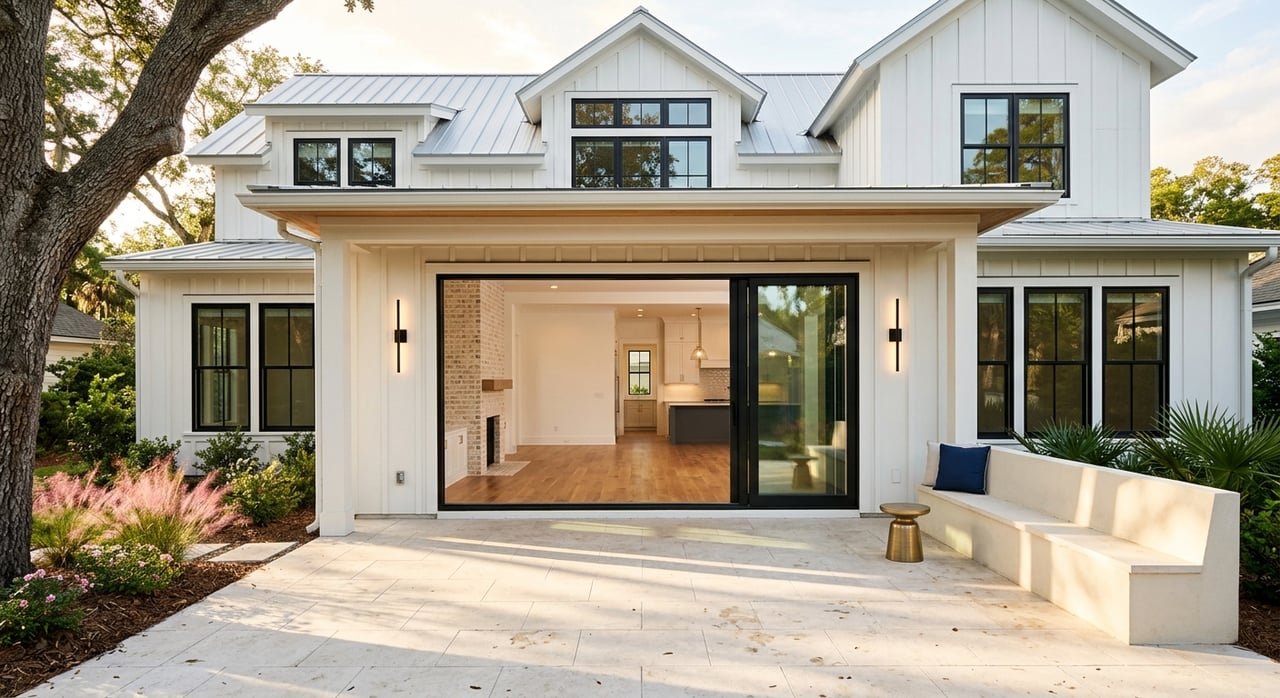
Tybee Beach Second Home Tips for Owners Away
Wondering what to do with your Tybee beach home when you are not there? You are not alone. Many owners want their home to stay protected, useful, and financially sensible, but Tybee Island ownership comes with a very specific mix of weather, flooding, guest rules, and rental regulations. This guide will help you think through your best options and build a practical away plan that fits how Tybee really works. Let’s dive in.
A Tybee beach home is not a set-it-and-forget-it property. The city notes that Tybee has flat terrain, low elevations, and tidal influence, which means flooding can affect all properties, especially during hurricanes, king tides, and heavy rain events.
That matters because the island’s busiest beach season does not line up perfectly with its weather risks. Tybee’s Ocean Rescue provides seasonal lifeguard services from April through September, while the Atlantic hurricane season runs from June 1 through November 30.
If you plan to leave your home vacant for part of the year, your schedule should be weather-aware, not just calendar-based. In other words, summer can bring strong rental or personal-use demand, but it is also the time when storm preparation matters most.
The smartest way to use your Tybee home depends on your goals. Some owners want a low-stress personal retreat. Others want occasional income. Some want a mix of private use, family visits, and structured management.
Here are the main paths to consider.
If you mainly want the home for your own trips, you can focus on maintenance, storm prep, and security rather than guest turnover. This is often the simplest option, but it still requires planning because utilities, refuse service, flood readiness, and emergency alerts do not pause when you leave town.
A private-use plan works best when you have reliable local oversight. Even a home that sits empty for a few weeks at a time benefits from routine checks and a clear storm-season checklist.
Letting family or friends use the home can help the property stay active without turning it into a full rental. Still, guest use should be organized, not casual.
Tybee’s beach rules are important to share in advance. The city prohibits littering, glass containers, smoking or vaping, pets on the beach, and disturbing dune vegetation, and many violations can carry $300 civil penalties.
Occasional renting may sound simple, but on Tybee it is regulated. The city defines a short-term rental as an accommodation rented for fewer than 30 consecutive days, and a city certificate is required.
That means even a few weeks of annual rental use can still fall under short-term rental rules. If income is part of your plan, you need to confirm the property is eligible before you assume renting is an option.
Tybee’s short-term rental framework is one of the biggest factors in how you can use your home while you are away. This is where careful planning can save you time, money, and frustration.
According to the city, there are no areas where rentals are completely prohibited. However, no new short-term rentals are allowed in residential zoning districts R-1, R-1-B, and R-2 except for a limited ordinance-based exception.
If a home already has a permitted short-term rental use in one of those residential zones, the city treats it as nonconforming and requires continued compliance with applicable ordinances. The city also requires at least 60 days of short-term rental activity in the preceding 12 months for that use to stay eligible.
This is a key point for buyers and owners. Tybee states that short-term rental permits are not transferable.
If you are buying a beach home with plans to rent it, you should verify zoning and permit status during due diligence. You should never assume a property can continue renting after a sale just because it did so in the past.
Tybee says short-term rental certificates run from January 1 through December 31 and must be renewed each year. If you change management companies, or someone other than the owner submits the application, the city requires a Short-Term Rental Authorization Letter.
This is one reason many owners benefit from having an organized management process. Rental use is not just about bookings. It is also about paperwork, timelines, and local compliance.
If other people will use your home while you are away, your strategy should go beyond calendars and key codes. Tybee’s rules make it clear that guest behavior is part of responsible ownership.
The city points short-term rental owners toward beach rules, the noise ordinance, the trash ordinance, and the disorderly house nuisance ordinance. That tells you something important: a successful away plan includes clear expectations for how the home is used, not just when it is occupied.
A simple, well-written handbook can help protect your property and reduce avoidable issues. Consider including:
Keep the tone friendly and direct. The goal is to make it easy for guests to follow local rules and care for the property.
One of the most overlooked parts of owning a second home is the basic monthly rhythm. Tybee utility bills for water, sewer, refuse, and yard waste are sent monthly and due on the 25th.
The city contracts with Atlantic Waste for refuse and yard waste collection, and it offers a voluntary recycling drop-off program at Memorial Park, the west side of Polk Street, and the DPW facility. If your home sits empty part of the year, service coordination still needs to happen on time.
That is why it helps to treat your beach home like an actively managed property. Even if you are not renting it full time, someone needs to keep an eye on billing, waste service, storm cleanup, and regular condition checks.
On Tybee Island, flood planning is not optional thinking. It is part of owning responsibly.
The city says coastal flooding is a significant risk because of the island’s flat terrain, low elevations, and tidal influence. It also notes that all properties can experience flooding during severe weather, even those outside special flood hazard areas.
Tybee’s flood guidance says the most accurate ways to determine elevation and flood-zone details are to contact a surveyor, the Tybee Emergency Management office, or the Zoning Department. The city can also help owners identify FEMA flood zone details, recorded flood depths, elevation certificates, and hurricane evacuation zones.
If you are buying a home or planning future rental use, these details should be reviewed early. They affect insurance, risk planning, and long-term budgeting.
Tybee participates in the National Flood Insurance Program, and the city says its CRS Class 5 rating qualifies properties for a 25% discount on NFIP flood insurance premiums. The city also notes that flood insurance is separate from a homeowners policy.
Timing matters too. Tybee’s NFIP information says flood insurance is typically subject to a 30-day waiting period before it goes into effect, so it makes sense to bind coverage well before closing, hurricane season, or a long vacancy period.
Tybee’s flood-preparedness overview recommends signing up for emergency alerts, knowing evacuation routes, understanding flood-warning terms, elevating furniture and electronics during flood threats, and turning off power before evacuating.
A smart away plan should include:
If you use the home personally or host guests, it helps to stay aware of local beach conditions. Chatham County Health Department tests beach water near Tybee crossovers for enterococcus, and advisories are area-specific.
Importantly, an advisory does not mean the beach is closed. It simply means your plans may need a little flexibility depending on the specific area and current conditions.
Tybee also notes that its beaches are federally protected wildlife habitat with endangered sea turtles and nesting shorebirds. That is another reason to make sure guests understand local beach rules and respect protected areas.
The best Tybee owners tend to approach their beach home as a coastal asset that needs active oversight. That does not mean ownership has to feel stressful. It means your plan should match the island’s realities.
If you want peace of mind while you are away, focus on a few basics: confirm what uses are allowed, prepare for flood and storm risk, stay current on bills and service, and give any guests clear instructions. That approach protects both your property and your flexibility over time.
Whether you plan to keep your home mostly private, share it occasionally, or explore rental use, the smartest move is to build your strategy around local rules and seasonal conditions. If you want help buying, selling, leasing, or managing residential property with a practical local perspective, connect with Marcy Todd.

I truly enjoy working with buyers, sellers, investors, and anyone looking to buy or sell! If I can assist you with your real estate needs or answer any questions, please don't hesitate to contact me.