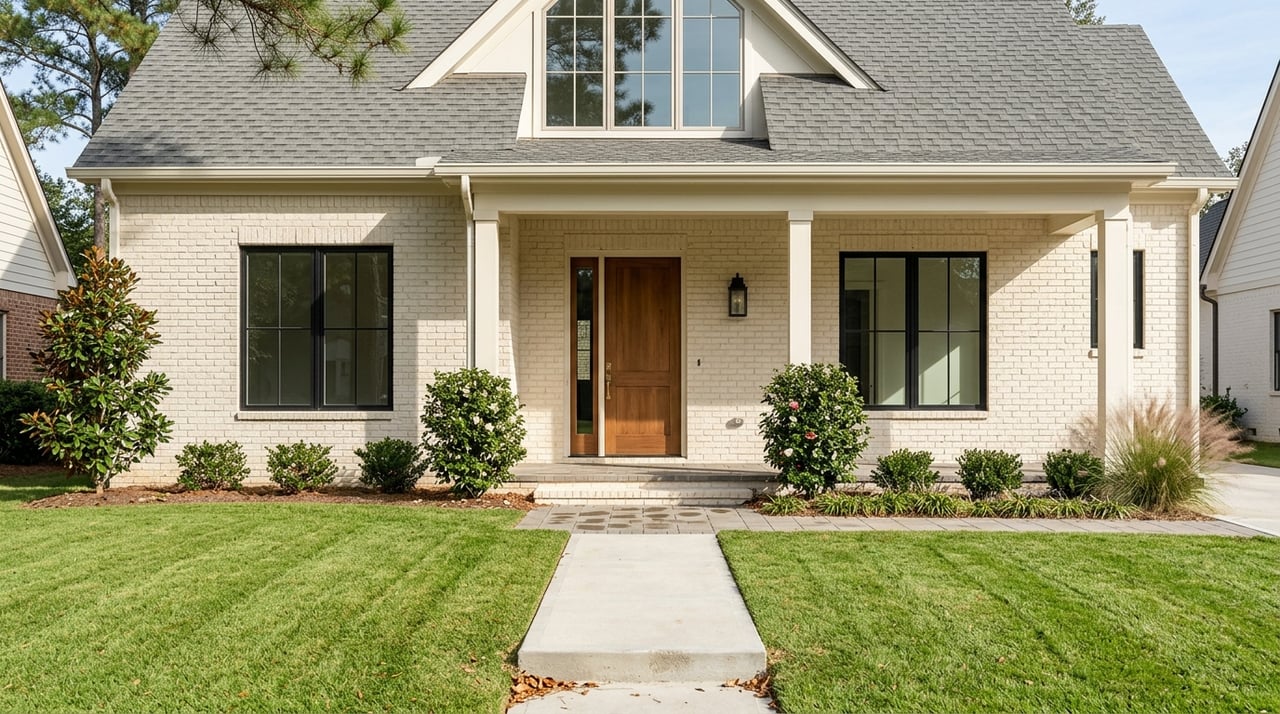
Your Statesboro Lifestyle Guide to Daily Life and Local Spots
Wondering what everyday life in Statesboro actually feels like? If you are thinking about moving, investing, or simply getting to know the area better, it helps to look past the map and into the daily rhythm of the city. From short commutes and local parks to downtown events and campus energy, here is a practical look at how many people spend their time in Statesboro. Let’s dive in.
Statesboro is home to an estimated 35,366 residents, giving it a small-city feel with the activity of a regional hub. The city is about 55 miles west of Savannah and 194 miles from Atlanta, which helps explain its role as a connected but distinct Southeast Georgia destination.
The local population mix also shapes daily life. Census data shows 16.0% of residents are under 18 and 8.2% are age 65 or older, while the city also has a strong rental presence and a relatively low owner-occupied housing rate of 22.1%. In practice, that supports the feel many people notice right away: a city influenced by students, long-term residents, renters, homeowners, and people commuting in and out for work.
For many residents, the day starts with a drive. The Bulloch County and Statesboro long-range transportation plan notes that most workers commute alone, with smaller shares carpooling, working from home, walking, biking, or using transit. QuickFacts reports the mean travel time to work is 22.9 minutes, which points to a manageable daily routine for many households.
The same transportation plan shows that 4,880 city residents commute outside Statesboro for work, while 1,784 local workers commute into the city. That tells you Statesboro functions as both a hometown and a work destination, with movement in both directions during the day.
If you prefer alternatives to driving, there are options to know. Statesboro Area Transit operates two fixed routes, the Blue and Red routes, with a downtown transfer station on South College Street. Fares start at $1 one-way and $2 round trip, with discounts available for seniors, college students, and riders with disabilities.
The city also offers pickup reservations with 24-hour notice for locations within one-quarter mile of the transit routes. That can be useful if you want a simple, lower-cost option for errands, appointments, or getting across town without relying entirely on a car.
Outdoor space plays a big role in everyday living here. Whether you want a walking trail, ball fields, or a quieter garden setting, Statesboro offers several easy ways to get outside during the week or on the weekend.
Mill Creek Regional Park is one of the city’s biggest recreation anchors. The 155-acre complex includes 15 baseball and softball fields, seven soccer and football fields, a 1.25-mile walking trail, nine picnic pavilions, and free parking.
Splash in the Boro is also located on site, which adds another layer to its appeal during warmer months. For many households, Mill Creek is more than a tournament venue. It is also a practical place for walks, gatherings, and regular recreation.
Smaller parks help round out the weekly routine. Luetta Moore Park includes 10 acres with two lighted baseball and softball fields, basketball courts, an inline hockey court, a playground, picnic areas, a pavilion, restrooms, and a community building.
Memorial Park adds baseball, tennis, and pickleball facilities along with open green space and trail access. If you like having a nearby place to move, relax, or meet up with friends, these smaller parks can become part of your normal routine quickly.
Statesboro also offers a few helpful trail connections for walking and biking. The S&S Greenway runs 2.79 miles between Gentilly Road and Pretoria-Rushing Road, giving residents another option for outdoor movement away from traffic.
The Willie McTell Trail runs through Memorial Park and connects downtown with Georgia Southern. That connection matters because it links some of the city’s busiest destinations in a more pedestrian-friendly way.
If you want something slower-paced, Georgia Southern’s Botanic Garden adds a more reflective outdoor experience. The garden covers more than 11 acres and includes native and heritage plants, woodland trails, the Rural Life Museum, the Whelchel Camellia Garden, and the Kennedy Outdoor Classroom.
For residents, that means outdoor time in Statesboro does not have to center only on sports fields or busy parks. You also have places that support a quieter afternoon walk or a low-key weekend outing.
One of Statesboro’s defining features is the way downtown activity and university life overlap. You get a Main Street setting with local businesses, restaurants, and events, while Georgia Southern brings another layer of dining, culture, and community programming.
That mix helps the city feel active without feeling overwhelming. On a typical day, you might run errands downtown, stop for lunch, and then head toward campus for an event or a walk through the garden.
Statesboro offers more than 150 restaurants, according to Visit Statesboro. That range includes everything from quick bites to fine dining, which gives you flexibility whether you are grabbing coffee, meeting friends, or planning a weekend meal.
Downtown Statesboro highlights restaurants, bistros, taverns, and local businesses along Main Street. Georgia Southern adds campus dining options like Dining Commons, Lakeside Dining Commons, Starbucks, and Chick-fil-A, so food routines often stretch between downtown and campus depending on your day.
The Averitt Center for the Arts is a major cultural anchor in the city. It offers visual arts, dance, music, theatre, a rotating fine-art gallery in the historic Old Bank of Statesboro, and performances at the Emma Kelly Theater.
Georgia Southern expands the cultural calendar with public-facing destinations like the Museum and the Planetarium. Together, these venues give residents a mix of downtown arts activity and university programming throughout the year.
If weekdays are built around work, errands, and short outings, weekends in Statesboro often center on events. That is where the city’s community rhythm becomes especially visible.
The Main Street Farmers Market runs every Saturday from early April through the end of November from 9:00 a.m. to 12:30 p.m. For many residents, that creates a regular weekend routine built around local vendors, seasonal shopping, and time downtown.
Even if you are new to the area, the market offers a simple way to get a feel for the community. It also gives downtown a steady rhythm during much of the year.
Downtown Live runs from mid-April through September and features eight acts over six months. That creates a recurring social calendar for residents who enjoy music and time outdoors.
Georgia Southern also notes regular family events such as First Fridays. When you combine those with downtown programming, weekends in Statesboro often feel active and easy to fill without needing to travel far.
Taken together, the local data paints a clear picture. Statesboro tends to be car-oriented, with a typical commute under half an hour, but it also includes transit, trails, parks, and walkable pockets that support a flexible routine.
You also see a city shaped by both its local community and Georgia Southern’s presence. That combination shows up in dining choices, arts access, recreation, and the flow of events throughout the year.
If you are considering a move, that day-to-day pattern matters as much as any home search. Knowing how a place works on an ordinary Tuesday or a relaxed Saturday can help you decide whether it fits your lifestyle, your schedule, and your goals.
Whether you are buying, selling, or exploring rental property opportunities in Southeast Georgia, working with an advisor who understands how communities function day to day can make your next move easier. If you want guidance grounded in local experience and clear communication, connect with Marcy Todd to get started.
I truly enjoy working with buyers, sellers, investors, and anyone looking to buy or sell! If I can assist you with your real estate needs or answer any questions, please don't hesitate to contact me.