Selling In Savannah’s Historic District: Showcasing Character
Wondering how to sell a home in Savannah’s Historic District without sanding away the very character buyers want? You are not selling a blank box here. You are selling a property that sits inside one of the country’s most recognizable historic cityscapes, and that creates both opportunity and responsibility. If you want to attract serious buyers, earn trust quickly, and present your home with confidence, the key is to showcase authenticity, back it up with documentation, and market it beautifully. Let’s dive in.
Savannah’s historic core is known for its original Oglethorpe plan, 24 squares, and more than 1,100 residential and public buildings. That means buyers are often drawn to more than square footage alone. They are responding to the setting, the architecture, and the feeling of living in a place with visible history.
For you as a seller, that changes the way your home should be presented. Instead of marketing it as just another number of beds and baths, your listing should connect the home to the larger story of the Historic District. When buyers understand the property as part of Savannah’s preserved urban fabric, the home often feels more distinct and memorable.
Savannah was described as a balanced market as of May 2026, with a median listing price of $399,000, a median sold price of $350,000, and median days on market of 59. In the historic core, asking prices were much higher. Downtown Savannah showed a median listing price of $943,500, North Historic District $959,900, and South Historic District $1.2 million.
Those numbers are useful for positioning, but they need context. They reflect listing prices, not closed sales, so they are best treated as asking-level benchmarks. In a market like this, strong presentation and credible pricing matter because buyers in historic areas tend to compare not just condition and size, but also authenticity, paperwork, and how well a home’s story has been told.
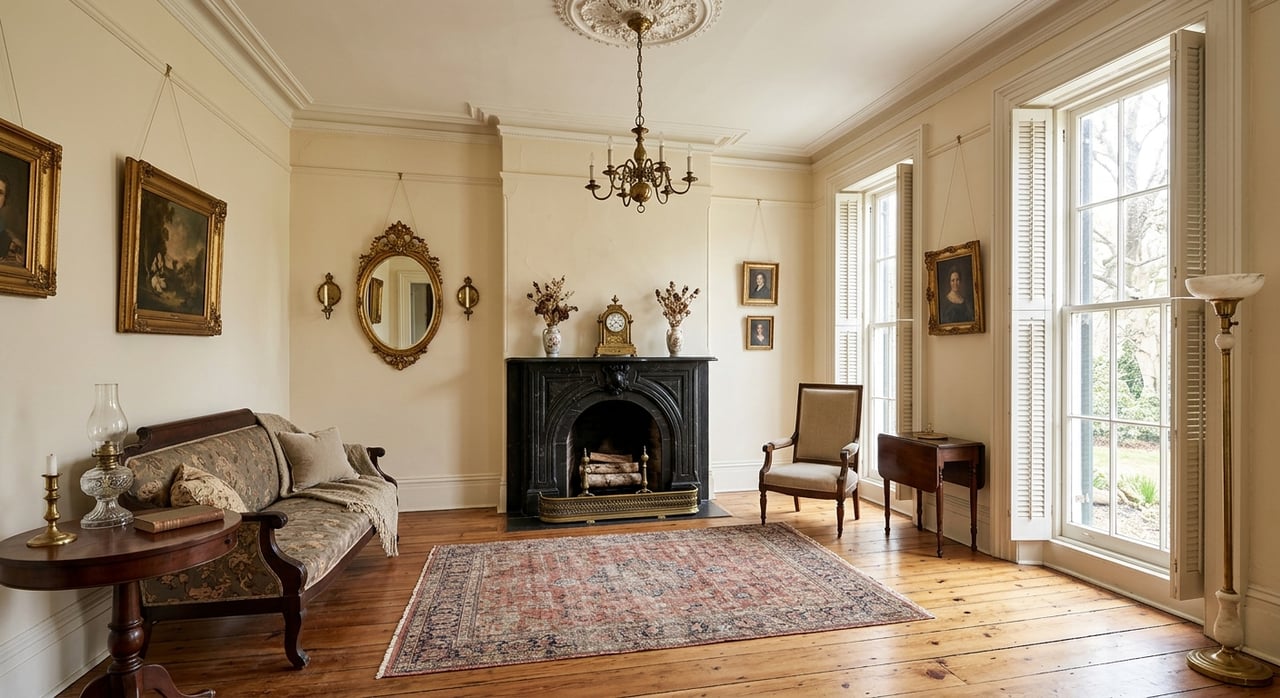
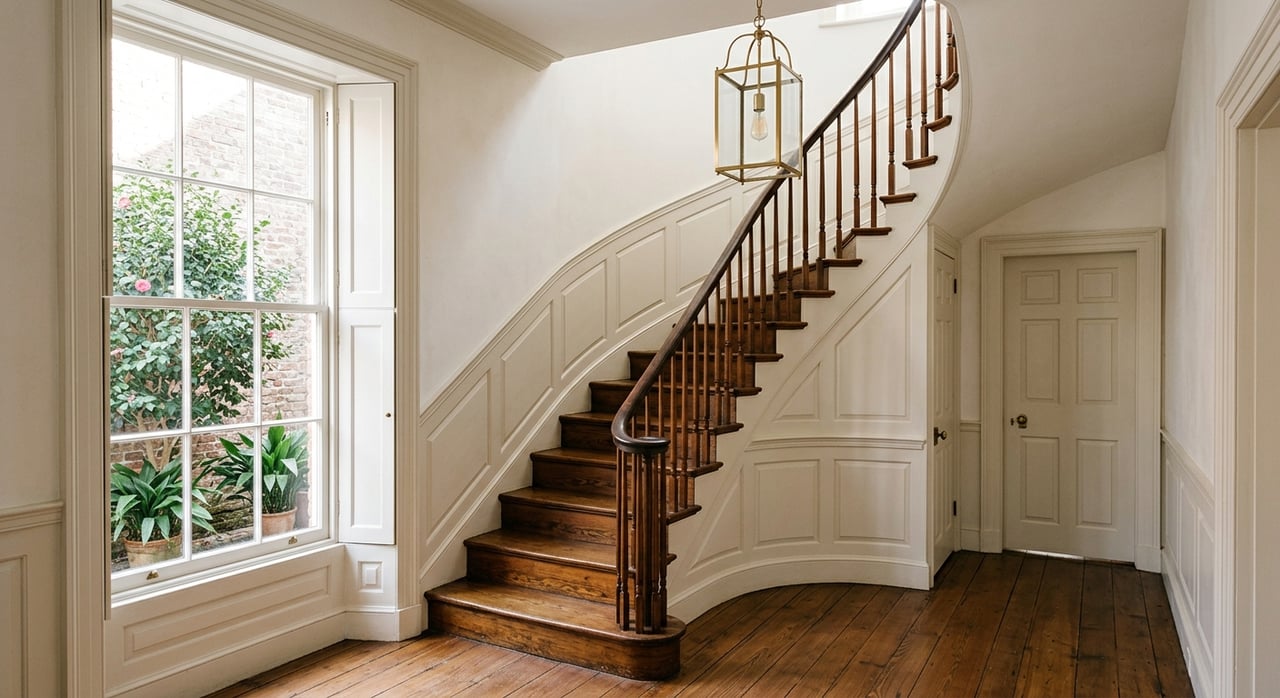
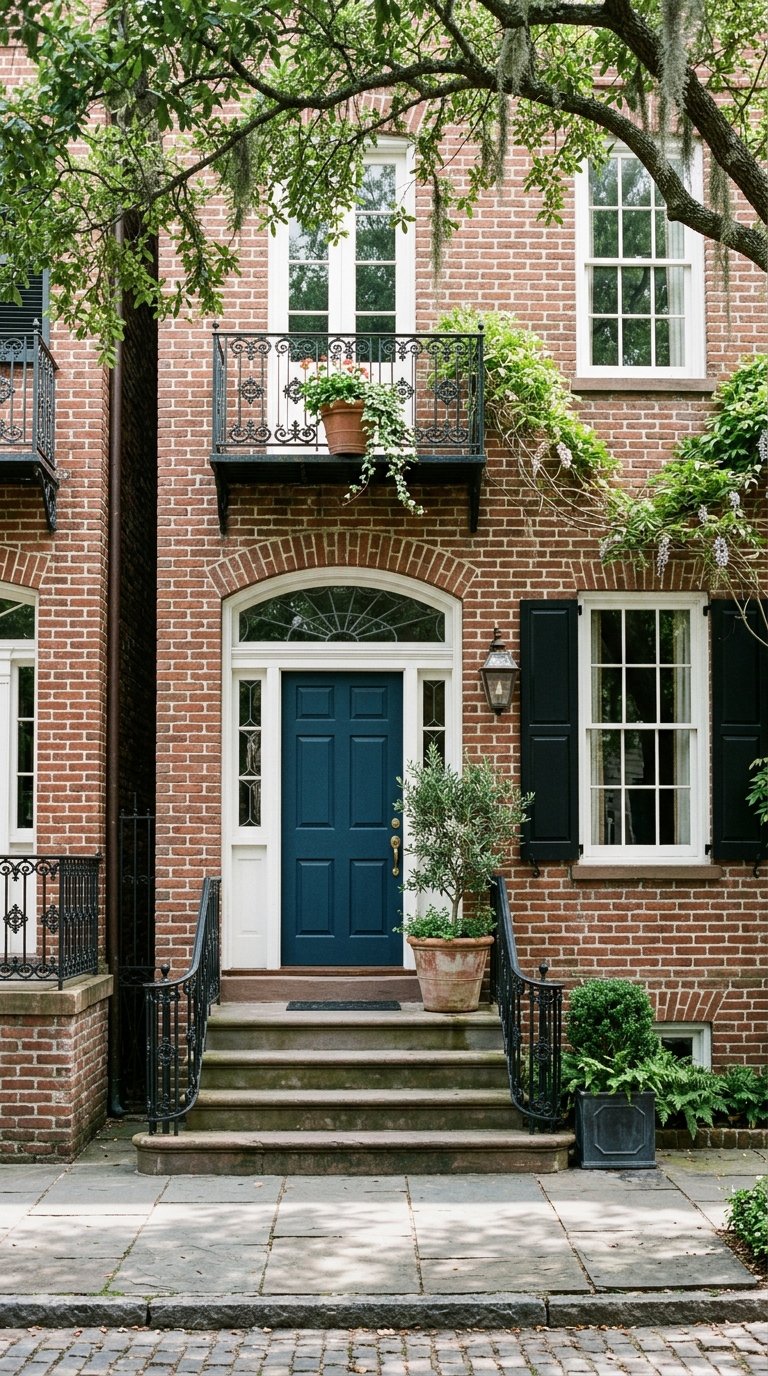
Historic homes do not benefit from generic marketing language. If your property has original wood floors, tall windows, heart pine details, plaster walls, fireplaces, or preserved millwork, those details deserve specific mention. Buyers looking in Savannah’s Historic District often notice the difference between authentic character and a finish package that feels too new or too broad.
Preservation guidance from the National Park Service supports retaining and preserving historic character, including distinctive materials and features. It also supports repairing deteriorated historic features rather than replacing them when possible. In plain terms, your listing will usually feel stronger when it highlights what is original, what has been carefully restored, and what has been updated in a way that respects the home’s period character.
The best listing copy usually answers a few quiet questions buyers already have:
Clear answers build confidence. Vague phrases like “fully updated” or “completely redone” can create hesitation if the home is in a district where character is part of the value.
In Savannah’s local historic districts, new construction and most renovations are reviewed by historic preservation staff at the MPC and either the Historic Preservation Commission or the Downtown Historic District Board of Review. Because of that review process, buyers often want to know exactly what work was done and whether it was properly approved.
Before your home goes on the market, gather as much documentation as you can. This step helps reduce uncertainty and gives your listing a more polished, credible feel from day one.
A practical pre-listing packet may include:
This information helps buyers separate cosmetic changes from substantive work. It also supports cleaner conversations during showings, inspections, and negotiations.
If your home was built before 1978, federal law requires buyers to receive known information about lead-based paint and lead hazards before signing a contract. For many Historic District properties, that means this disclosure should be prepared well before you reach the closing table.
Putting that packet together early can save time and lower stress later. It also shows buyers that you are organized and transparent, which matters when they are evaluating an older home with a more complex ownership story.
Staging a historic home is different from staging a newer build. The goal is not to strip the home of personality or make it look generic. The goal is to help buyers see how the rooms function while keeping the architectural details front and center.
Industry data shows staging can help buyers visualize the property as their future home. It can also help reduce time on market and, in some cases, increase the dollar value offered. In a historic property, the most effective staging is usually light, clean, and respectful.
Focus on simple choices that let the house speak:
When buyers can appreciate both the beauty and function of the home, the showing experience feels more complete.
Most buyers begin online, so your visuals do heavy lifting before anyone books a showing. High-resolution photos and video tours are especially important in Savannah’s Historic District because buyers often want to see how a home balances age, condition, layout, and preserved details.
Your media should capture more than the kitchen and primary bedroom. It should also show the craftsmanship, rhythm, and setting that make the property unique. A well-shot listing can communicate scale, light, texture, and flow in a way that flat images of generic updates never will.
Ask your marketing team to focus on features such as:
These images help buyers feel the home’s identity. That emotional connection often starts before they ever step through the door.
One of the biggest mistakes in marketing a historic property is treating it like it could exist anywhere. In Savannah, the district itself is part of the appeal. Buyers are not only purchasing a residence. They are buying into a preserved setting shaped by the city’s design standards and visual compatibility rules.
That is why your marketing should frame the property as part of a larger whole. The home’s architecture, block, streetscape, and relationship to the Historic District all contribute to how buyers perceive value.
Savannah’s Digital Collections can support richer storytelling because they include historic preservation photographs, postcard collections, maps, city records, and oral histories. If archival images are used in marketing, remember that the city notes personal or educational use may be allowed with credit, while commercial use requires a Permission to Reproduce request.
That means historical storytelling can be powerful, but it should also be handled correctly. A thoughtful, compliant approach keeps your marketing polished and protects you from avoidable issues.
Historic-home buyers often come prepared with detailed questions. They may ask what changed, what was permitted, and whether visible work matches the home’s period character. In Savannah, those are reasonable questions, not signs of distrust.
The best response is not a sales pitch. It is documentation, clarity, and consistency. When your listing materials answer common questions before they become objections, you create a smoother path from interest to offer.
Try to be ready for questions like these:
When buyers feel informed, they are more likely to stay engaged. That matters in a market where thoughtful comparison shopping is common.
In the Historic District, buyers often expect a premium presentation when they see a premium asking price. If your home is positioned near the higher asking benchmarks seen in Downtown, North Historic District, or South Historic District, your materials need to support that price with substance.
That does not mean overproducing the listing. It means aligning the asking price with the quality of the visuals, the strength of the documentation, and the clarity of the home’s story. Character alone can attract attention, but character plus proof is what helps a listing hold up under scrutiny.
Selling in Savannah’s Historic District is not about making a historic home feel newer than it is. It is about helping buyers see why its age, details, and setting matter, while giving them the confidence that the home has been cared for responsibly. When you combine authentic presentation, organized records, and strong marketing, you give your property the best chance to stand out for the right reasons.
If you are preparing to sell in Savannah and want a clear plan for pricing, presentation, and buyer-ready marketing, connect with Marcy Todd for guidance tailored to your home and your goals.
I truly enjoy working with buyers, sellers, investors, and anyone looking to buy or sell! If I can assist you with your real estate needs or answer any questions, please don't hesitate to contact me.