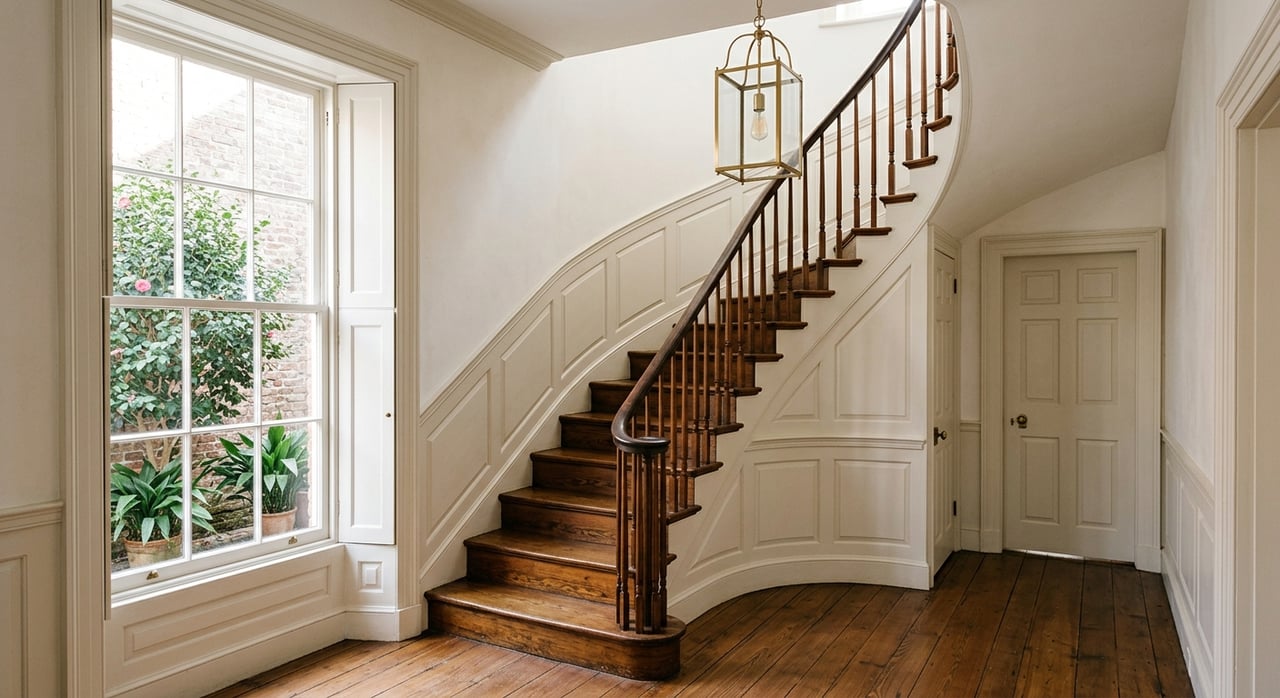
Buying in Savannah Historic District: Steps to Review
Thinking about buying in Savannah’s Historic District? The charm is real, but so are the extra steps. If you love the idea of brick streets, period details, and a home with history, you also need to understand how preservation review, property condition, and future plans can affect your timeline and budget. This guide will help you know what to check before you make an offer and what to expect after you close. Let’s dive in.
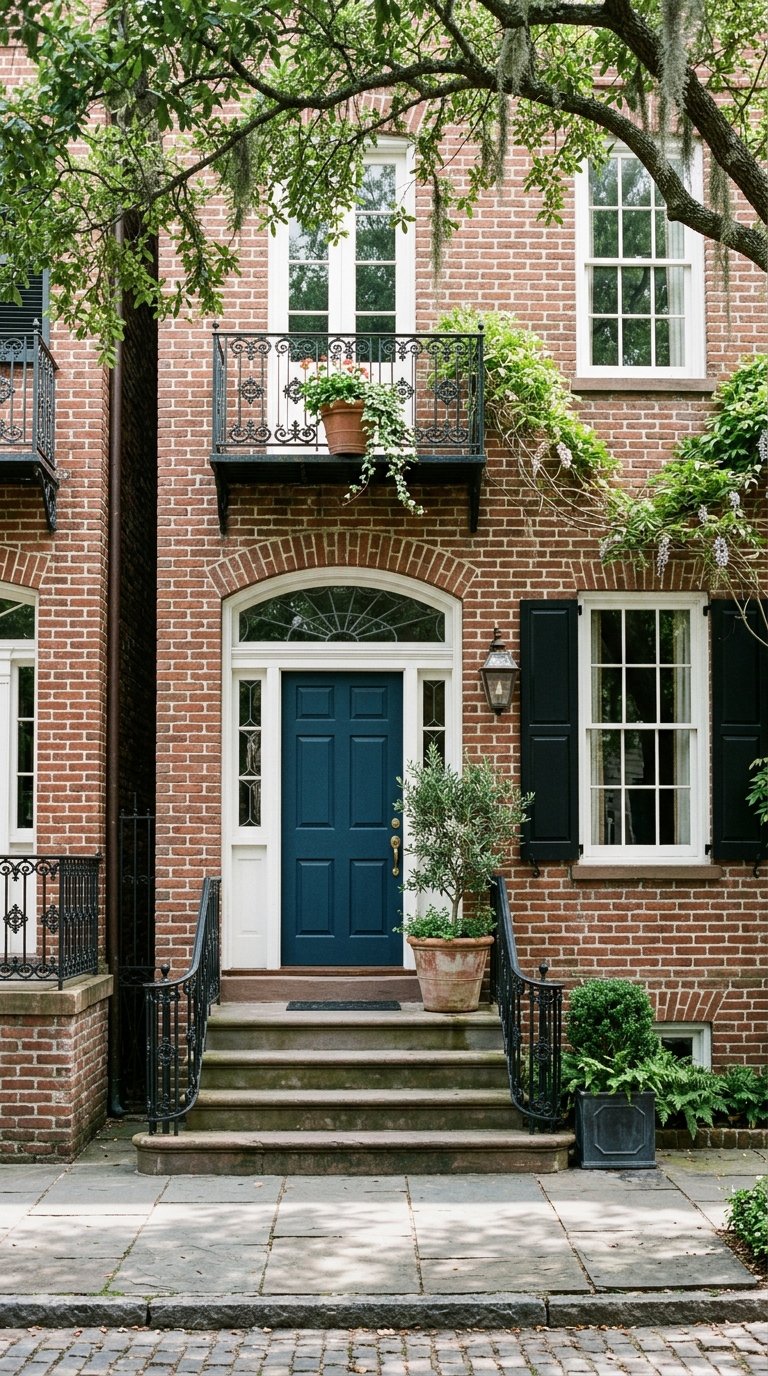
Savannah’s downtown historic core is not just an attractive area with older homes. The Savannah Downtown Historic District is one of the oldest local historic districts in the country, and the Historic District Board of Review oversees projects within it. That means your purchase may involve an added layer of review that buyers in newer areas do not face.
For many buyers, the biggest surprise is that preservation approval can come before a building permit. The City requires a copy of the Certificate of Appropriateness, along with approved plans certified by the preservation officer, before you apply for a building permit for projects in the Historic District. If you plan to update the exterior, your renovation timeline may be longer than expected.
That timing matters whether you want to renovate right away or simply keep your options open. Incomplete COA applications are not processed, and they can be pushed to a later board meeting. In practical terms, that can affect contractor scheduling, move-in plans, and your post-closing budget.
A common misconception is that only major additions trigger preservation review. In Savannah’s Historic District, exterior changes visible from the public right-of-way, including lanes, can require a COA. That includes more routine-looking updates than many buyers expect.
Examples of review categories include:
The City also notes that certain material changes in appearance within the Savannah Downtown Historic District may require a COA. So even if a project seems straightforward, it is smart to verify the review requirements before you assume it is minor.
Interior-only work is often a different story. When improvements do not change the exterior appearance, they are usually less of a preservation issue. The City’s preservation guidance treats many interior improvements, system replacements, repainting, weatherization, lead abatement, accessibility work, roof work, masonry repointing, and foundation repairs as compatible when they do not affect street-facing elevations or when they follow preservation guidance.
The level of review can change based on how many items you bundle together. The current board-review application requires a pre-application conference with MPC staff at least one week before the submission deadline. It also states that incomplete applications are not processed or placed on the agenda.
There is another detail buyers should know early. If a project includes three or more staff-review items, it automatically becomes a board-review application. So if you are planning to repaint, replace shutters, and update windows at the same time, your project may move into a more formal review path.
A standard home inspection is important, but in Savannah’s Historic District, your due diligence should usually go deeper. Older homes can have unique strengths and vulnerabilities, and repair costs can add up fast if you uncover issues after closing.
Pay close attention to these systems and conditions:
That list aligns with the City’s preservation guidance, which specifically addresses roof materials, structural roof elements, masonry repointing, foundation repairs, weatherization, and utility-system work. In other words, the systems most likely to affect comfort and cost are also central to long-term preservation.
Lead-based paint is a real concern in older housing. According to the EPA, the older the home, the more likely it contains lead-based paint. The EPA estimates that 87% of homes built before 1940 and 24% of homes built between 1960 and 1978 contain some lead-based paint.
That does not mean every older home is unsafe, but it does mean you should take the possibility seriously. The EPA recommends using a certified lead inspector or risk assessor rather than guessing. If you are planning any repair or renovation work, this is especially important to understand up front.
Moisture should also be high on your checklist. The EPA says the key to mold control is moisture control, so signs of past leaks, trapped humidity, or poor ventilation deserve careful review. In a historic home, moisture problems can affect finishes, indoor comfort, and the condition of structural materials over time.
Flood risk is another issue to check before you get too far into the process. The City provides flood-determination help, maintains elevation-certificate records, and advises property owners, contractors, and designers to review local flood studies in addition to FEMA flood maps. That makes flood research an early due diligence item, not something to save for later.
This matters even more if you are thinking beyond cosmetic updates. Savannah adopted a two-foot freeboard above base flood elevation for new and substantially improved structures in the 100-year floodplain, effective January 1, 2025. If you are planning an addition or a major rehab, that requirement can influence project design and cost.
A simple question can save you time: has the property already been flood-determined, and is there an elevation certificate or insurance quote on file? Getting those answers early can help you make a more informed offer.
Historic homes often come with a paper trail, and that paper trail matters. If you are serious about a property, ask for prior COAs, permit history, and renovation records during due diligence. Those documents can tell you a lot about what was approved, what was completed, and what may need attention.
This is also where you want clarity on whether the property is contributing or non-contributing within the district. If exterior work was done without a COA, that can create problems later. The current HDBR application states that after-the-fact work without a COA is subject to a doubled filing fee.
Records also help you plan ahead if you intend to renovate soon after closing. Since historic approval comes before the building permit in the district, you want to understand the likely sequencing of staff meetings, board deadlines, permits, and contractor availability before you commit.
The true cost of ownership is not just the purchase price. In some cases, state historic-rehab incentives may help offset part of a larger renovation. The Georgia Department of Community Affairs says the State Income Tax Credit Program offers a 25% credit on qualifying rehabilitation expenses, capped at $100,000 for a principal residence.
For owner-occupied properties, the Historic Home Credit framework can apply to homes that contribute to a local historic district or are locally designated historic properties, subject to DCA standards and a substantial-rehab test. That can be meaningful for buyers planning a major project, but it is not automatic.
The process is documentation-heavy. DCA requires pre-rehab photos, floor plans, and, for local-district properties, a Local Designation Confirmation Form, with digital processing for applications. If you may pursue this credit, gathering records early can make your planning much smoother.
If you may want flexibility later, think about future use before you buy. In Savannah, non-owner-occupied parcels in the Savannah Downtown Historic District are subject to a 20% per-ward cap for short-term vacation rentals. That means future rental plans may face limits that do not exist in other locations.
This does not mean the property is a poor fit. It simply means your long-term strategy should be part of your purchase decision. If you are buying with future rental income in mind, it is wise to confirm how local rules may affect that plan.
Before you make an offer in Savannah’s Historic District, try to answer these questions:
These answers can help you avoid surprises and make a more confident decision. They can also help you compare one historic property against another in a more practical way.
Buying in Savannah’s Historic District is not just about finding a beautiful home. It is about understanding the rules, records, and condition issues that come with a property in a protected area. When you know what to ask and what to review, you can enjoy the character of the district without walking into avoidable delays or costs.
With the right preparation, a historic home can still be a great fit for your lifestyle and goals. If you want experienced local guidance as you weigh options in Savannah’s Historic District, connect with Marcy Todd for a consultation.
I truly enjoy working with buyers, sellers, investors, and anyone looking to buy or sell! If I can assist you with your real estate needs or answer any questions, please don't hesitate to contact me.