Tybee Island Condo vs Cottage: Which Option Fits You?
Trying to decide between a condo and a cottage on Tybee Island Beach? It is a smart question, because the right choice is about more than square footage or curb appeal. On Tybee, your decision also touches parking, flood planning, maintenance, rental rules, and how you want to use the property day to day. If you want a clearer way to compare both options, this guide will walk you through the tradeoffs. Let’s dive in.
Tybee Island is a small barrier island of about three square miles, and that compact size shapes daily life in a big way. The city notes there are roughly 2,100 parking spaces, with paid public parking enforced year-round from 8 a.m. to 8 p.m. Busy weekends can also bring traffic controls, especially during the long visitor season that can stretch from President's Day weekend to Thanksgiving.
The beach itself is public, which means no property owner can reserve or privatize beach areas from public access. Tybee also states that its beaches are federally protected wildlife habitat, and seasonal lifeguard service typically runs from April through September. For you as a buyer, that means beach access may be a major perk, but privacy expectations should stay realistic.
Flood risk is another key part of owning property here. Tybee says residents and property owners live in a special flood hazard area, and most standard homeowner policies do not cover flooding. The city also notes that flood insurance usually has a 30-day waiting period and that its NFIP Community Rating System status provides a 25% discount on flood insurance premiums.
A condo can be a strong fit if you want simpler upkeep and a more lock-and-leave lifestyle. In general, a condo is an individually owned unit within a larger building or community, and condo fees often help cover exterior repairs, common areas, and sometimes utilities or amenities. That setup can appeal to buyers who want beach access without taking on every exterior task themselves.
In Georgia, maintenance responsibilities are usually split between the association and the unit owner. State law generally places maintenance, repair, renovation, restoration, and replacement of common elements on the association, while the unit owner is responsible for the unit and any limited common elements unless the condo documents say otherwise. That is why reviewing the condo documents matters so much before you buy.
Condo living also comes with rules and shared decision-making. You may have HOA dues, parking rules, renter restrictions, and the possibility of special assessments. On Tybee, those details can have a real effect on both your budget and your daily convenience.
A condo may be the better option if you want:
For many buyers, that ease is the main draw. If you do not want to manage every exterior repair or landscape detail yourself, a condo can offer a more streamlined ownership experience.
The tradeoff is less control. You will likely need to follow association rules on parking, building use, and possibly rentals. You should also ask careful questions about reserves, parking arrangements, renter policies, and any history of special assessments.
Financing can be more complex too. Lenders may review the condo community's physical condition, financial stability, structural debts, lawsuits, inspections, evacuation orders, and whether the project is considered warrantable. If you are using FHA financing, approval standards may also include insurance, financial condition, title, legal actions, and property condition.
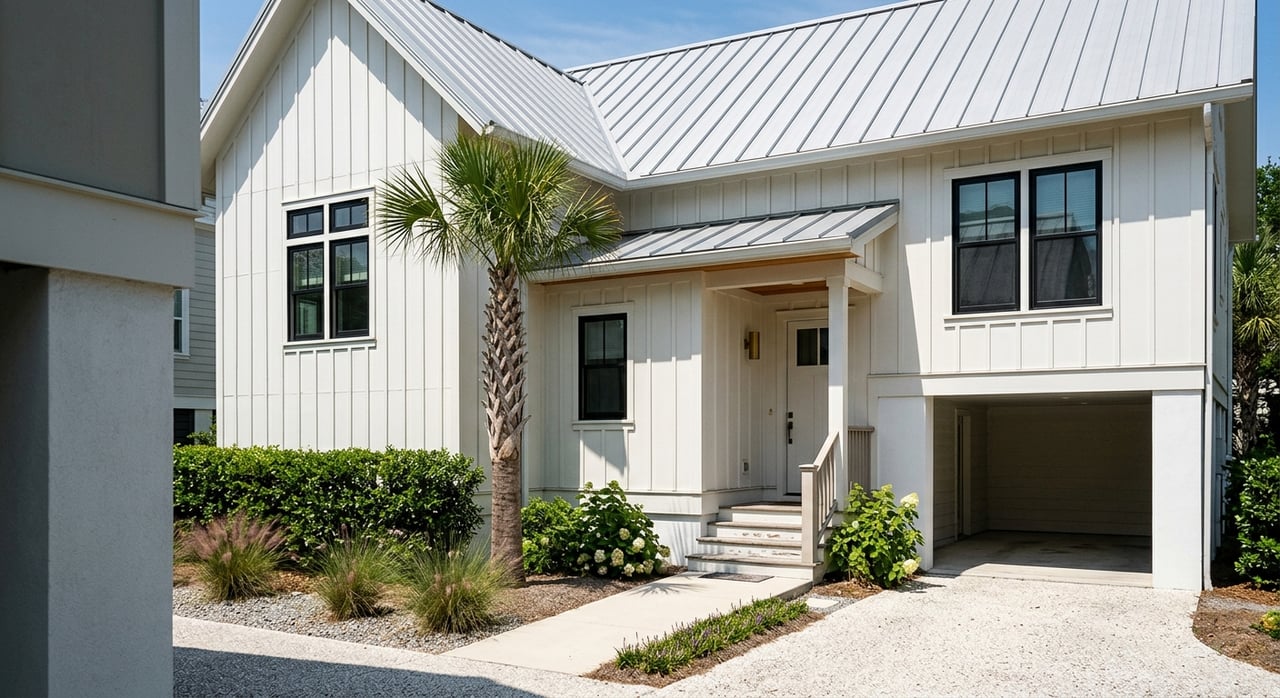
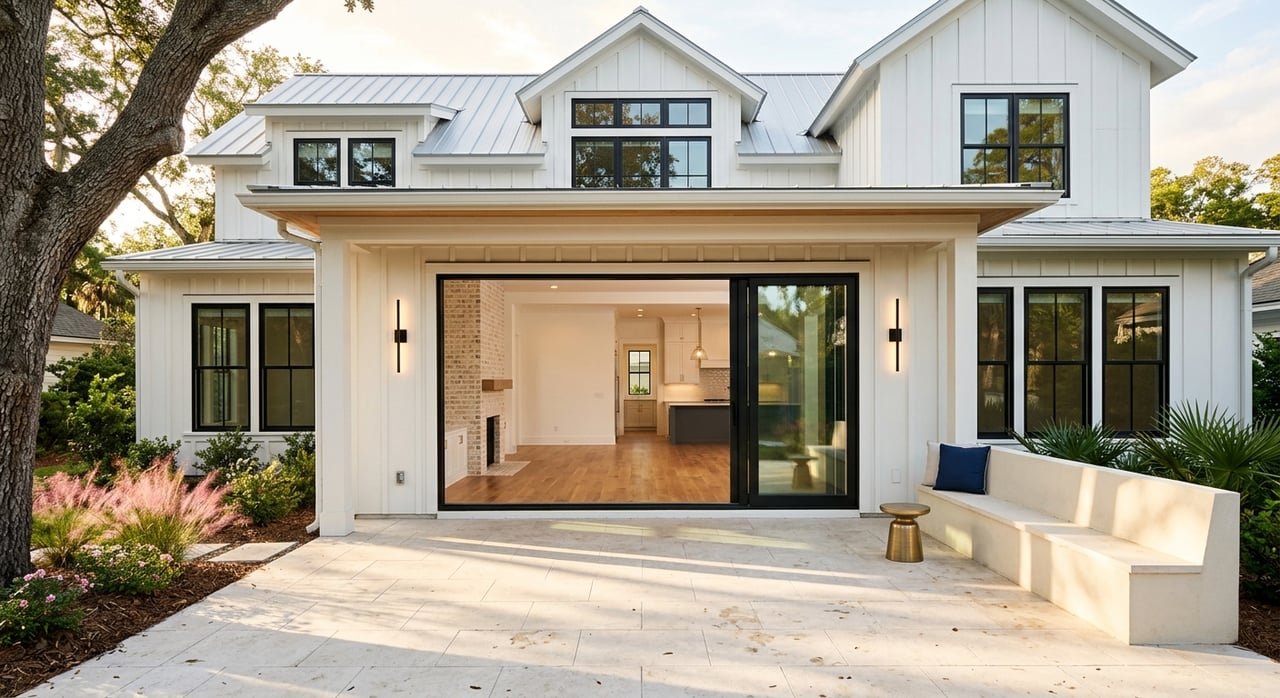
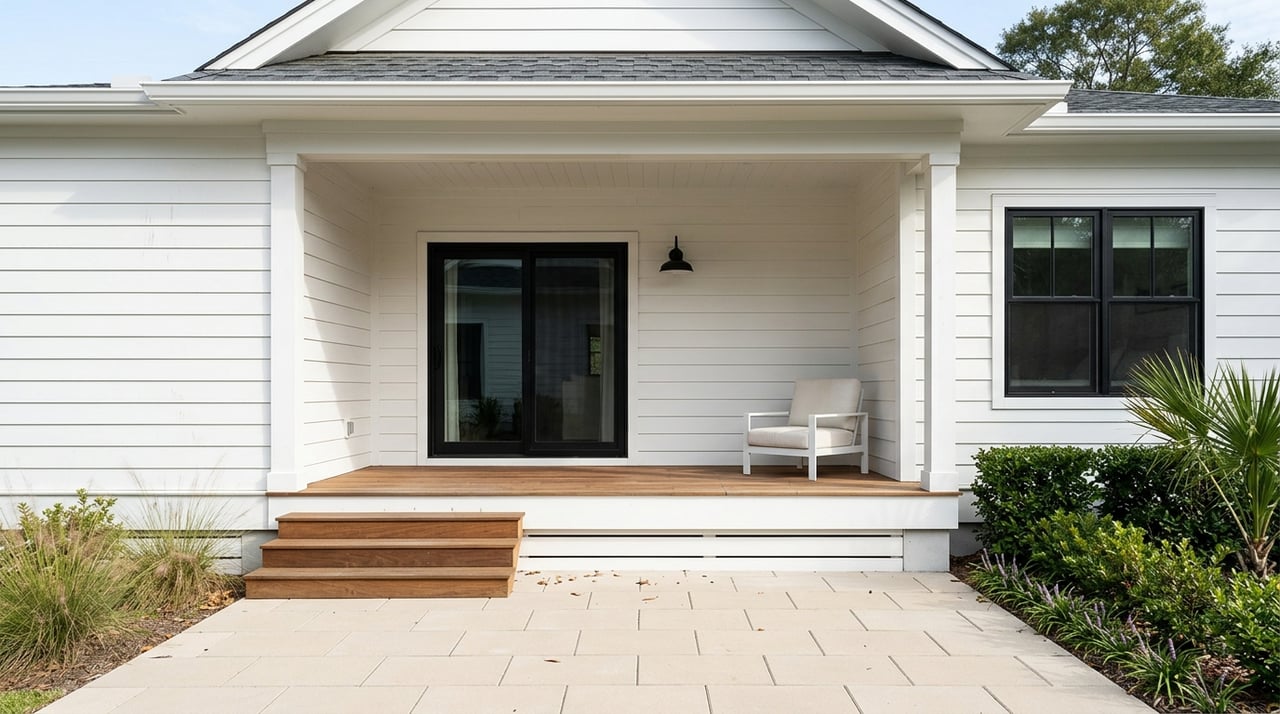
A cottage often appeals to buyers who want more independence and a more traditional house feel. With a detached home, you usually have more direct control over the property, your site, and how you use the space. That can be especially attractive if you want a yard, more privacy around the home itself, or off-street parking.
That independence also means more responsibility. As a homeowner, you are responsible for maintenance and repairs, from small fixes to major systems like the roof. On Tybee, that usually means more direct exposure to weather, flood, and storm-related upkeep than you would have in many condo communities.
The city also has property-specific requirements that matter for cottage owners. Tybee says new construction, additions, renovations, and remodeling may require permits. Projects that cross the substantial-improvement threshold can trigger flood-safety and FEMA-related requirements, tree removal generally requires a permit, and the city's greenspace ordinance requires 65% of the required setback area to remain vegetative.
A cottage may be the better option if you want:
On a compact island with limited public parking, off-street parking can be a meaningful lifestyle advantage. If you expect regular guests, beach gear, or frequent in-and-out trips, that convenience may matter more than you think.
The biggest tradeoff is owner responsibility. Instead of paying association dues for many shared exterior needs, you may be putting more of your budget toward maintenance, flood planning, and site care. You will also want to understand what improvements or changes may require city review or permits.
For some buyers, that extra control is worth it. For others, the added time, cost, and storm-prep responsibility can make a cottage feel less convenient than expected.
On Tybee, parking is not just a side detail. Public parking costs $4 per hour, and resident decals require a vehicle registered to a Tybee address. That means your on-site parking setup can affect your routine, your guest experience, and your rental appeal.
When comparing condos and cottages, ask practical questions early. Does the property come with assigned spaces? Is parking covered, off-street, or shared? If you are buying with guests or future renters in mind, parking may be one of the most important quality-of-life features on your list.
Flood risk is a baseline ownership issue on Tybee, whether you buy a condo or a cottage. The city states that property owners are in a special flood hazard area, and flood insurance is typically separate from a standard homeowner policy. That makes insurance costs and timing important parts of your buying plan.
Tybee also requires one foot of freeboard above Base Flood Elevation for new or substantially improved structures. If you are considering a cottage that may need updates, that detail can become especially important. If you are considering a condo, you will still want to understand the building's insurance structure and how flood risk is managed at the project level.
If rental income is part of your plan, the condo-versus-cottage question is only part of the picture. Tybee defines a short-term rental as lodging for fewer than 30 consecutive days, and these properties must have a city certificate. The city says certificates are renewed annually between January 1 and March 31.
Tybee also requires short-term rentals to remit a 7% local occupational room tax, with monthly returns due by the 20th even if no tax is due. That means your operating plan needs to account for both compliance and ongoing administration. For many buyers, this is where careful due diligence matters most.
Tybee's FAQs state that no new short-term rentals are allowed in R-1, R-1-B, and R-2 residential zoning districts. Existing properly permitted rentals in those zones may continue as a nonconforming use, but they must show 60 days of rental activity in the preceding 12 months to renew. If a property fails to rent for 60 days, the city treats that use as abandoned.
For a new owner, the property's history matters too. The city says a buyer must demonstrate the prior owner's rental history when that nonconforming status applies. In other words, if you are buying for short-term rental use, you need to evaluate the existing permit status, zoning, and rental record before you assume the property fits your plan.
Tybee's occupancy formula is two adults per bedroom plus two additional adults for the dwelling, and the bedroom count must match property records. That makes legal bedroom count, parking, and permit history central parts of your comparison. A property that looks great in photos may not support the guest count or use plan you had in mind.
This is true for both condos and cottages. A condo may seem easier to manage, but association rules can affect rental flexibility. A cottage may offer more independence, but zoning, maintenance, and flood-related costs can shape the real bottom line.
The best choice comes down to how you want to own, use, and maintain property on Tybee. A condo often fits buyers who want lower upkeep, shared maintenance, and a simpler second-home setup. A cottage often fits buyers who want more autonomy, outdoor space, and a more house-like experience.
If you are primarily focused on easy ownership, a condo may feel like the better match. If you want more control, more separation, and potentially better on-site parking, a cottage may be worth the extra responsibility. Neither option is automatically better. The right answer depends on your goals, budget, and tolerance for hands-on ownership.
A smart Tybee purchase starts with the details that do not always show up in listing photos. Parking, flood planning, permit history, zoning, association rules, and maintenance responsibilities can all shape whether a property truly fits your plans. If you want help comparing options and looking at the fine print before you move forward, Marcy Todd can help you buy with more clarity and confidence.
I truly enjoy working with buyers, sellers, investors, and anyone looking to buy or sell! If I can assist you with your real estate needs or answer any questions, please don't hesitate to contact me.