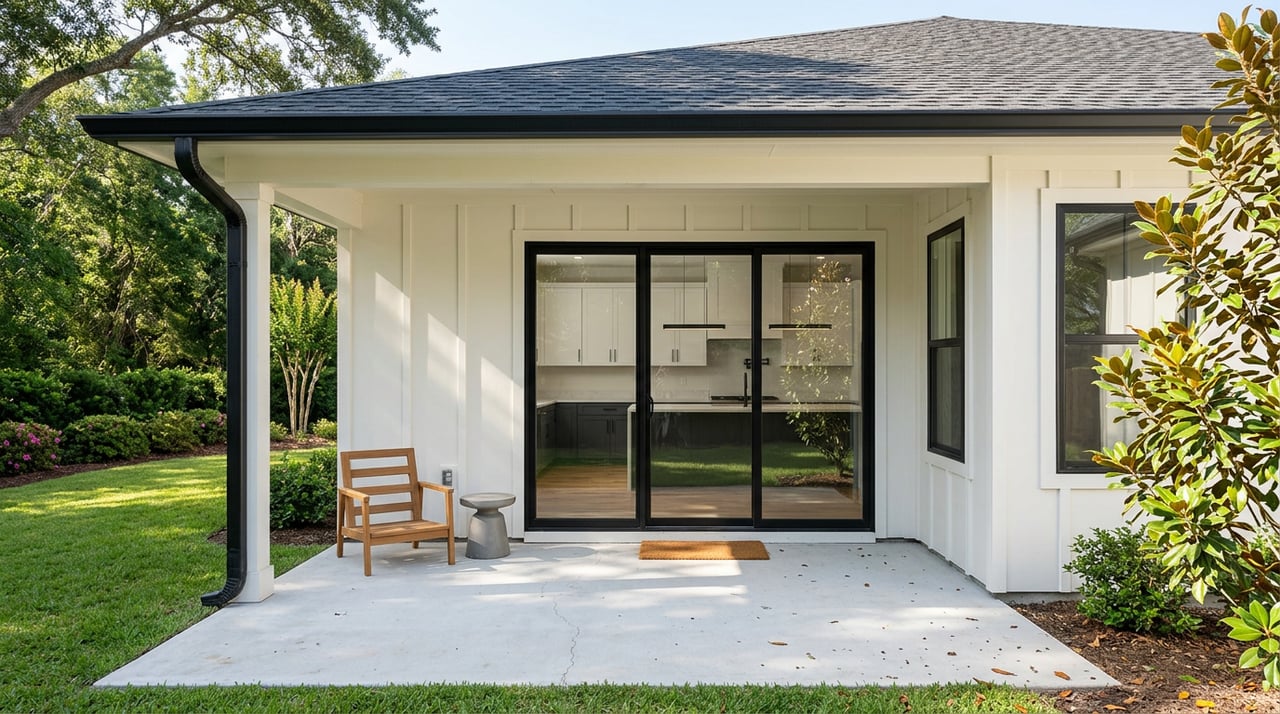
Hands-Off Statesboro Rental Property Management Guide
Tired of late-night maintenance calls and juggling lease renewals? If you own a rental in Statesboro, you can turn it into a largely passive, professionally managed asset that protects your time and your cash flow. You want steady income, clear reporting, and a manager who knows the local market and the law. In this guide, you’ll learn what “hands-off” really looks like in Bulloch County, what it costs, how to choose the right manager, and the exact steps to make the switch. Let’s dive in.
A hands-off rental means your manager handles day-to-day operations, reporting, and compliance while you set strategy and review results. Expect help with pricing, marketing, showings, screening, move-ins, lease execution and renewals, rent collection, owner disbursements, maintenance coordination, periodic inspections, trust accounting, and eviction coordination if needed. Service bundles vary, so always get a written scope of services and a fee schedule.
Statesboro’s rental market is influenced by Georgia Southern University. University System of Georgia data shows a large student headcount at Georgia Southern, roughly 29,600, which supports demand for 2–4 bedroom units near campus and drives a late summer leasing surge tied to the academic calendar. Plan your marketing and renewals around this seasonality to minimize vacancy and improve occupancy. For non-student rentals, activity can be steadier year-round.
USG enrollment data for Fall 2025 confirms the scale of student-driven demand.
Student-oriented properties often see higher wear, group leasing, and short turnover windows in summer. Professional and household tenants may offer longer lease terms and lower turnover. Your manager’s screening standards, lease length, and maintenance plan should reflect your primary tenant type. Aligning these choices with your property and location helps stabilize income.
Georgia updated its landlord-tenant laws for leases entered or renewed on or after July 1, 2024. These changes strengthen habitability protections, clarify utilities to include cooling, and cap refundable security deposits for qualifying leases at the equivalent of two months’ rent. They also create a three-business-day cure period for nonpayment before a dispossessory filing. Review lease dates and make sure your manager uses updated documents and processes.
For a clear summary, see the Safe at Home bench card.
For nonpayment under covered residential leases, you must give a written notice that provides three business days to cure before filing a dispossessory action. Courts look for proper notice formatting and service. A professional manager will coordinate notices, filings, and court follow-up. You can review Georgia’s dispossessory statute at OCGA 44-7-50.
In Georgia, marketing, leasing, rent collection, and trust accounting for others are activities that generally require a real estate license under a supervising broker. When you interview property managers, confirm Georgia Real Estate Commission licensing and brokerage oversight. This is key to lawful rent collection and security-deposit handling. See GREC’s definitions overview for context on what requires a license: GREC definitions.
Statesboro enforces the International Property Maintenance Code. Habitability issues may involve city inspectors, and your property must meet local standards that align with Georgia’s updated protections. A manager should document condition with dated photos and reports and respond promptly to maintenance requests. Learn more on the city’s code compliance page.
Hands-off management is an operating expense that should be built into your pro forma. Typical ranges are a starting point, and actual pricing can vary by property type and local market.
These ranges reflect common industry norms. For a helpful overview, see this guide on property management fees.
Beyond fees, plan for a maintenance reserve and a vacancy buffer. Many owners reserve 5–10% of gross rent or about 1% of property value per year for routine repairs, then adjust based on the building’s age and tenant type. Confirm your repair authorization threshold with the manager, often 250 to 1,000 dollars per incident. For more budgeting context, review this summary of average property management fees and planning.
Use this checklist to convert your Statesboro rental into a truly hands-off investment.
Gather the current lease, rent roll, 12 months of expenses, insurance details, vendor contacts, keys, and tenant info. Note open repairs and collect receipts. This gives your manager a clean starting point and reduces onboarding delays.
Check whether your lease was entered or renewed on or after July 1, 2024. If so, ensure it aligns with the Safe at Home updates on habitability, security deposit caps, and utilities that include cooling. Ask your manager how they handle renewals and notices under the new rules. Use the bench card summary for specifics.
Request a comparative market analysis and a clear lease recommendation. Options include 12-month terms, academic 9-month cycles for student rentals, or month-to-month when flexibility is needed. For student-heavy units, choose a manager experienced with synchronized move-ins and group leasing.
Agree on an emergency response plan and a repair cap for automatic approvals. Establish your monthly or annual reserve target and clarify any vendor markups or coordination fees. Ask whether preventative maintenance and periodic inspections are included, and how findings are documented.
Confirm all fees in writing, including who pays marketing costs during vacancy and whether there are early termination fees. Verify trust account handling for deposits, statement schedules, owner disbursement dates, and insurance language. Request proof of Georgia licensing and brokerage oversight.
Require monthly owner statements, copies of repair invoices, and access to a secure owner portal. Ask about inspection frequency, photo documentation, and how quickly owner questions are answered.
Your manager will issue a tenant changeover notice if permitted, set up ACH for deposits, collect keys and codes, and complete a move-in or baseline condition report with photos. Align utility and vendor accounts as agreed.
For student rentals, start marketing in late spring to capture fall move-ins. For long-term stability, consider staggered renewals that avoid concentrating turnover in a single month.
The right partner knows the Statesboro market, stays current on Georgia law, and provides transparent reporting.
Define expectations up front and monitor them in your monthly statements.
Several market trackers place typical asking rents in the mid 1,400s to 1,600s per month for Statesboro, but actual results depend on comps, condition, and tenant type. Treat these figures as a starting point, then ask your manager for a fresh comp analysis before each renewal or listing. Student-oriented homes near campus may warrant different pricing and lease structures than other neighborhoods. The right pricing strategy shortens vacancy and improves annualized returns.
If you want help evaluating options or setting up a smooth handoff, connect with Marcy Todd for a brief consult. We can walk through your lease, timing, and goals, then point you toward a clear, hands-off plan for your Statesboro property.

I truly enjoy working with buyers, sellers, investors, and anyone looking to buy or sell! If I can assist you with your real estate needs or answer any questions, please don't hesitate to contact me.