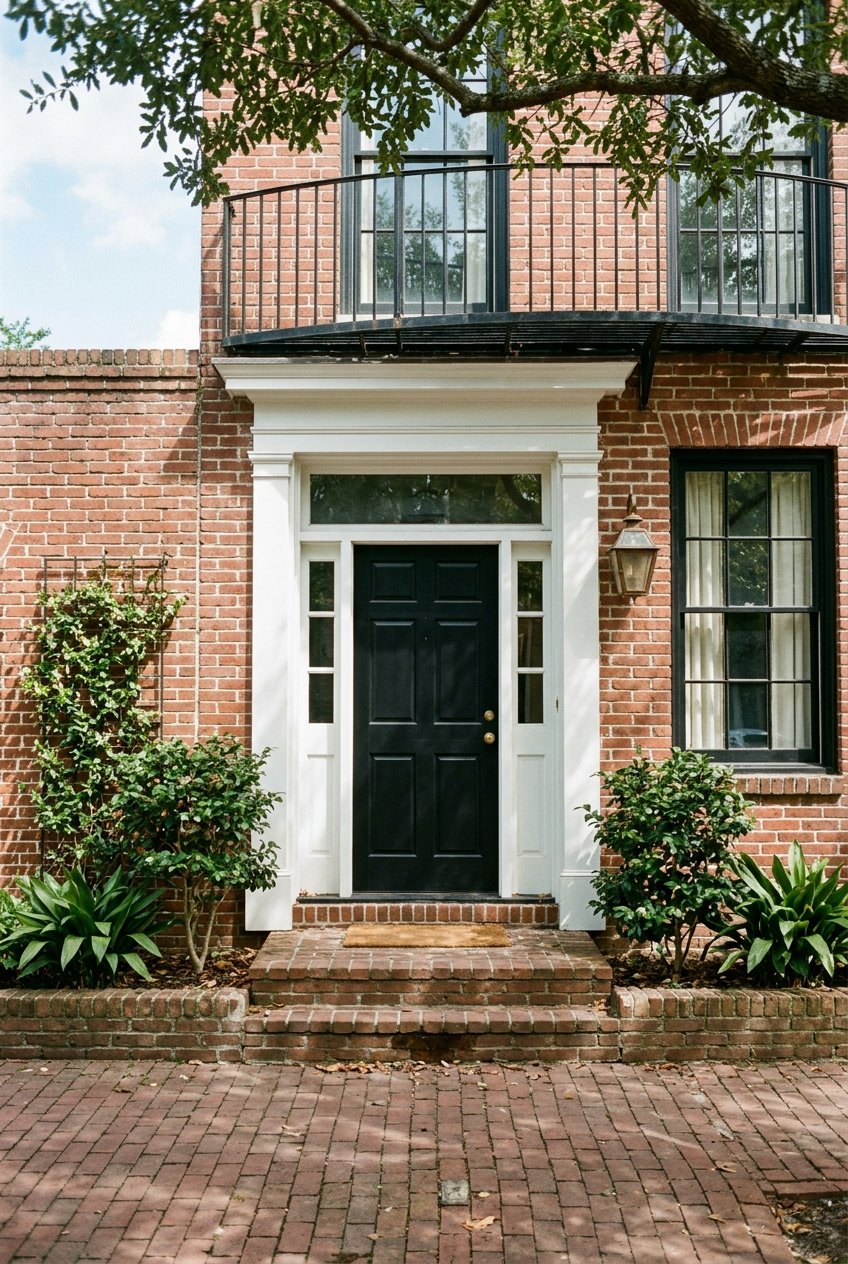
Exploring the Savannah Historic District Lifestyle
What does everyday life in Savannah’s Historic District actually feel like once the visitors go home? If you are thinking about buying, renting, or investing here, that question matters just as much as price or square footage. The Historic District offers a walkable, character-filled lifestyle, but it also comes with tradeoffs around parking, preservation rules, and event traffic. Let’s dive in.
One of the biggest things that sets Savannah’s Historic District apart is how easy it is to get around on foot. According to Visit Savannah, the district covers about 2.5 square miles, and the downtown Landmark District includes 22 green squares and more than 1,600 historically and architecturally significant structures.
That layout creates a very different rhythm from a car-dependent neighborhood. Instead of driving from place to place, you are more likely to walk beneath the tree canopy, cut through a square, and handle daily errands a few blocks at a time. The City of Savannah also notes that downtown is especially pedestrian-friendly, with talking signals at many crosswalks and active jaywalking enforcement.
In the Historic District, public spaces are part of daily life, not just weekend destinations. The neighborhood’s design centers on squares, parks, and compact gathering spots rather than large private lots or sprawling amenities.
Forsyth Park is one of the clearest examples. The city describes it as a 30-acre civic park with the iconic 1858 fountain, walking paths, sports courts, and open green space.
For residents, that means the park can become part of your regular routine. You might walk there in the morning, meet friends there in the afternoon, or simply use it as a familiar backdrop to neighborhood life.
City Market brings a different feel. Historically a daily-goods hub, it now serves as a concentrated area for restaurants, art spaces, museums, and shops.
That mix adds convenience and activity, especially if you enjoy being close to dining, local art, and downtown energy. It also means the Historic District often feels active and social, even on an ordinary weekday.
For many people, one of the biggest lifestyle advantages of the Historic District is that you can be car-light. Walking is often the easiest option, but it is not the only one.
The City of Savannah’s pedestrian and downtown mobility resources highlight fare-free transportation options in the historic core. The ADA-accessible DOT Express Shuttle connects parking facilities, visitor centers, the streetcar, and ferry service, while the Savannah Belles Ferry links River Street and Hutchinson Island.
If you are used to suburban living, this can feel like a meaningful change. You may not need to rely on your car for every outing, which can make everyday life feel simpler and more connected.
That said, owning a car in the Historic District is possible, but it usually takes more thought. Downtown Savannah has more than 3,000 metered spaces, five public garages, and six surface lots, according to the city’s downtown parking information shared through Savannah’s pedestrian resources.
Visit Savannah’s parking guide also points to meters, garages, mobile payment, and visitor day passes as part of the normal routine. In other words, parking exists, but it is managed rather than effortless.
For homeowners and renters, this is one of the district’s clearest lifestyle tradeoffs. If you want a setting where you can walk more and drive less, the Historic District may feel convenient. If you want abundant private parking and quick in-and-out car access every day, the experience may feel more structured.
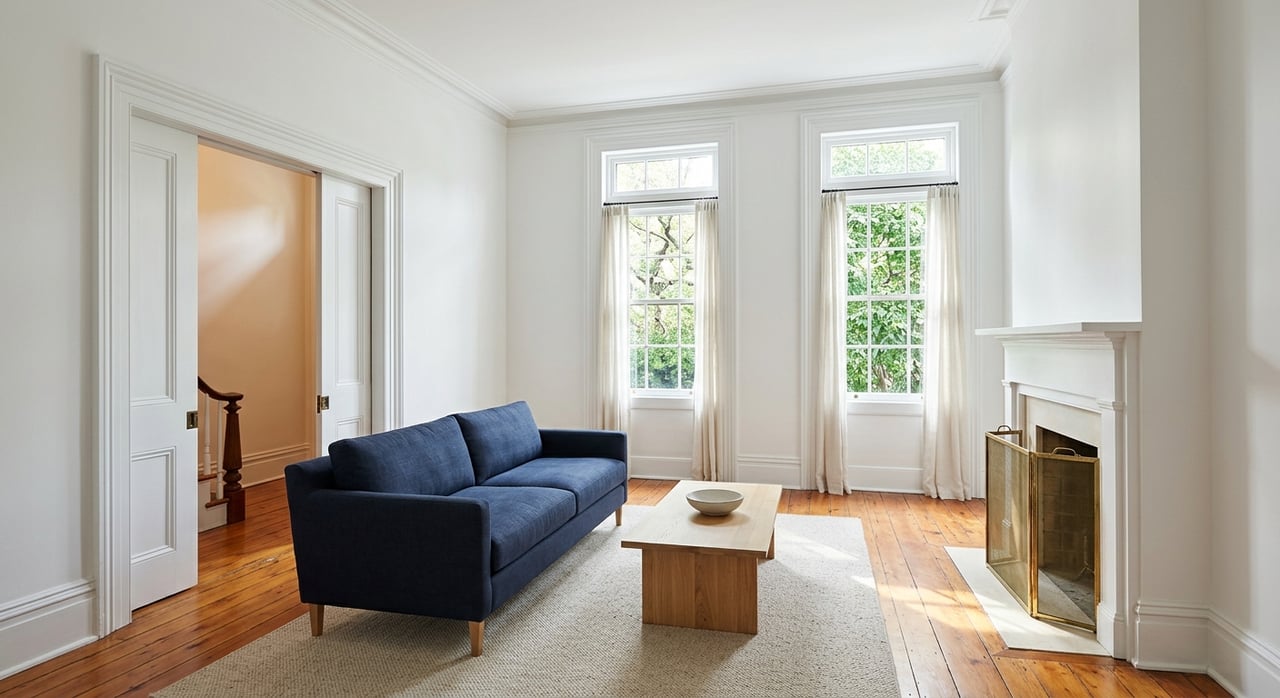
The Historic District is known for architecture that feels hard to replicate in newer neighborhoods. Planning documents from the Metropolitan Planning Commission describe Savannah’s Urban Downtown area as mixed-use and mid-rise, with attached single-family homes such as townhomes and rowhomes, along with historic single-family and multi-family buildings.
That built environment often means less private yard space, more on-street or garage-based parking, and a closer relationship between residential and commercial uses. For many buyers, that is part of the appeal. You get charm, texture, and a strong sense of place.
If you are considering a property here, it is important to understand that exterior changes are carefully reviewed. The Savannah Historic District Board of Review oversees Certificates of Appropriateness for the local downtown historic district, and the MPC says its Historic Preservation Department works through local zoning ordinances and Secretary of the Interior standards.
In practical terms, that means renovations and additions are not casual decisions. The district’s protected character is a major benefit, but projects may require added time, planning, and review.
The Historic District is not frozen in time, but it is shaped by policies meant to balance residential use, tourism, and preservation. One example is the city’s approach to short-term vacation rentals.
According to the City of Savannah STVR page, short-term vacation rentals are allowed in the Downtown, Victorian, and Streetcar overlay districts, but new STVRs in Downtown and Victorian residential areas are capped at 20 percent of residential parcels within each ward. The city also says its hotel overlay was created to protect neighborhood character, support housing affordability, encourage residential infill, and guide the size and location of future hotels.
For buyers and property owners, these rules matter because they help shape the feel of the area over time. If you are purchasing for personal use, long-term rental planning, or investment, local regulations are an important part of evaluating fit.
Living in the Historic District means cultural activity is not something you drive across town to find. It is woven into the neighborhood.
The City of Savannah’s street performer program allows permitted buskers and artists to perform in the Historic District, with rules around placement, permits, and hours. Performers must vacate parks and squares by 9 p.m., which helps define how public spaces are used.
This contributes to a daily atmosphere that can feel lively and creative. Add in destinations like City Market and River Street, and you get a neighborhood where dining, shopping, art, and music are often part of the background of everyday life.
The Historic District also has an event-driven side. At certain times of year, the neighborhood shifts from steady daily activity to major public energy.
Visit Savannah notes that the St. Patrick’s Day Parade moves through Historic Downtown Savannah every March 17 and is one of the city’s largest recurring events. Large festivals and downtown venue-based events also bring more people into the district during select times of year.
For some residents, that energy is a huge plus. For others, heavier foot traffic, street closures, and extra parking pressure may require more planning. Neither experience is right or wrong. It simply comes down to the kind of daily environment you enjoy.
Savannah’s Historic District is often a strong fit if you value:
It may be a less natural fit if your top priorities are:
The Historic District is one of Savannah’s most recognizable places, but the best real estate decisions come from matching the neighborhood to your real life. A beautiful historic setting can be a perfect fit if you want a walkable routine and a stronger connection to downtown life. It can also feel limiting if your day-to-day needs lean more suburban.
That is why local guidance matters. If you are weighing the Historic District against other Savannah neighborhoods, working with someone who understands both the lifestyle and the practical details can help you make a smart move. When you are ready to explore your options, connect with Marcy Todd for trusted, locally grounded guidance.
I truly enjoy working with buyers, sellers, investors, and anyone looking to buy or sell! If I can assist you with your real estate needs or answer any questions, please don't hesitate to contact me.