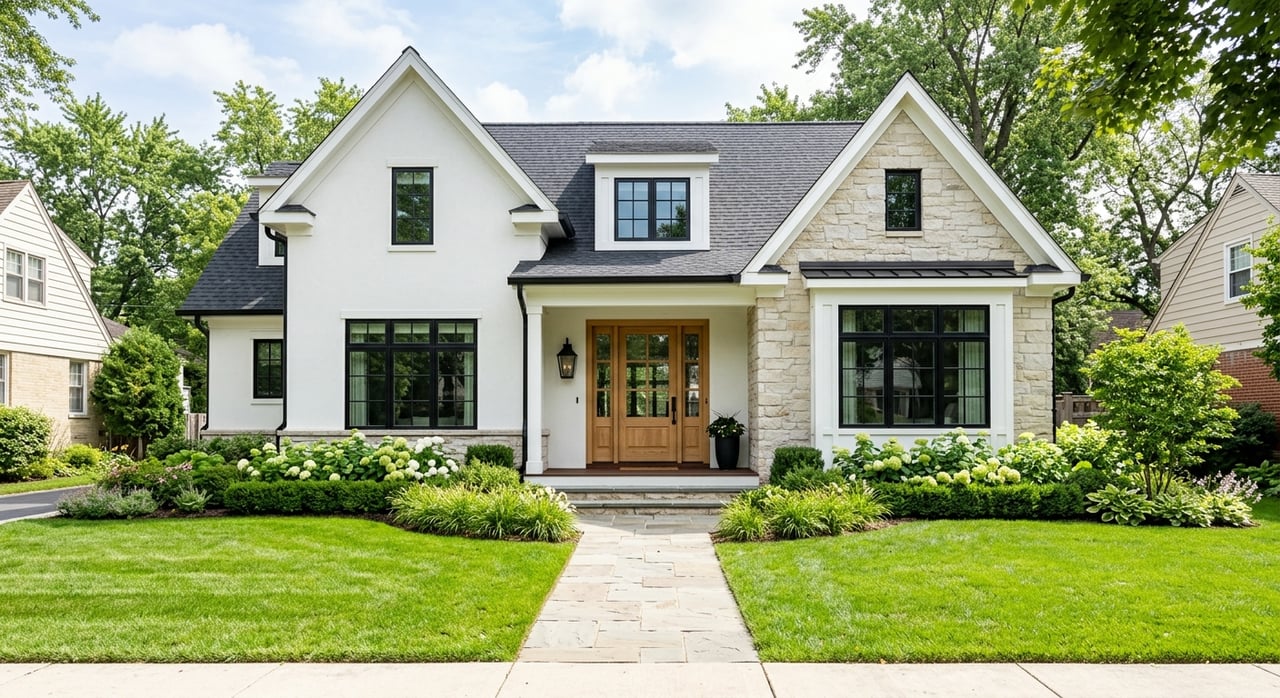
Statesboro First Time Homebuyers: Home Styles & Areas
Buying your first home in Statesboro can feel exciting and a little confusing at the same time. You may be wondering whether to focus on an older in-town home, a townhome near campus, or a newer house on the edge of town. The good news is that Statesboro gives you several distinct options, and each one comes with a different lifestyle, price range, and level of upkeep. This guide will help you compare home styles and area types so you can narrow your search with more confidence. Let’s dive in.
Statesboro is shaped in a big way by Georgia Southern University. Local housing studies show that student housing makes up a large share of the market, renter-occupied housing has grown faster than owner-occupied housing, and many apartments and townhomes are concentrated near campus.
That matters as a first-time buyer because one part of town can feel very different from another. In some areas, you may notice a stronger rental presence and more attached housing. In others, you may find a more settled pattern of existing single-family homes or newer growth near the city edge.
The city also has a mixed housing stock. According to the City of Statesboro’s 2024 comprehensive plan draft, about 35% of the housing stock is single-family detached, about 23% is in apartment complexes with more than 10 units, and 43.9% of homes were built since 1990.
So if you are picturing a market that is either all historic homes or all new subdivisions, Statesboro is really somewhere in between. Few homes date to before 1940, and the newest development has tended to happen closer to the city boundary and outside the city limits in Bulloch County.
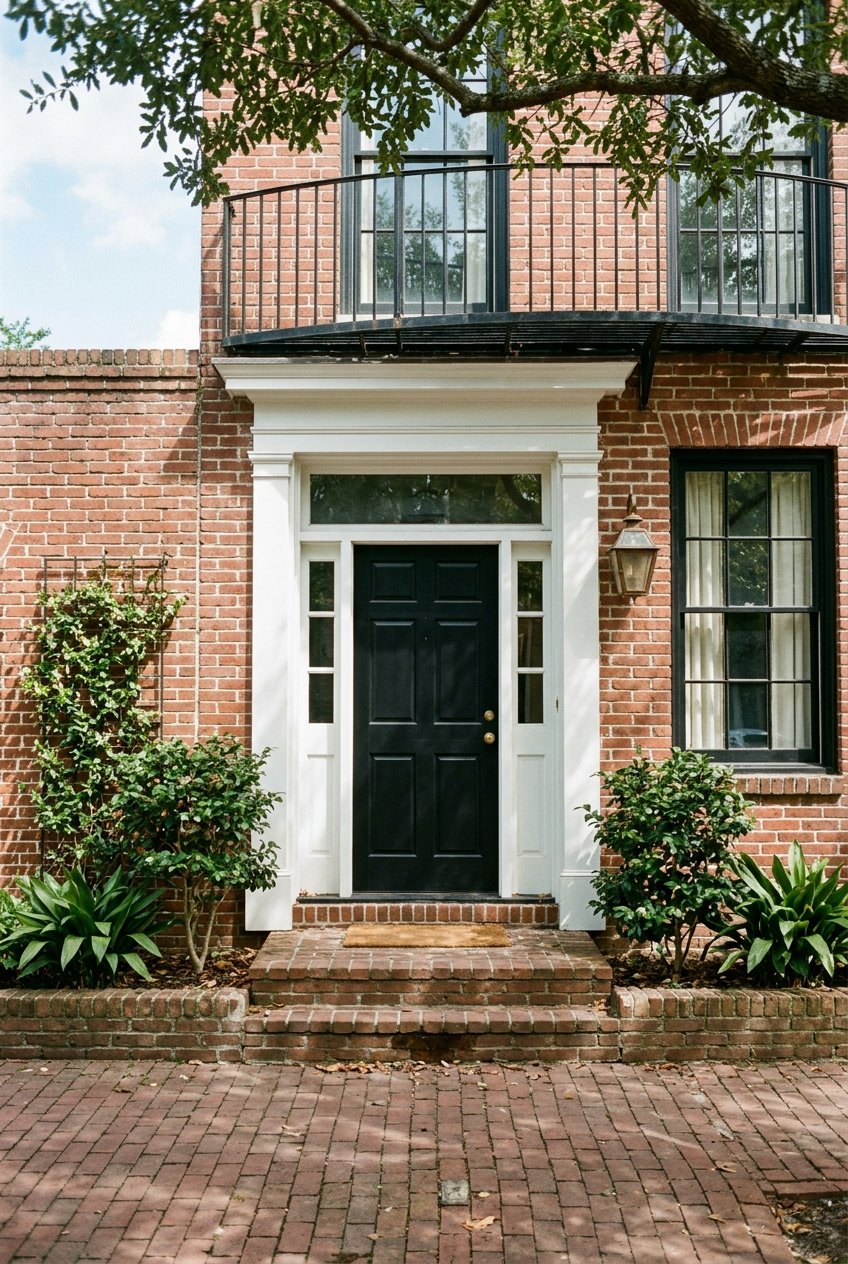
If you want character and a closer-in location, older in-town homes are often the first place to look. The city’s housing study notes that aging housing is concentrated in the core, and duplexes are more common near historic downtown.
These homes may offer a more established setting and quicker access to downtown destinations. At the same time, condition can vary a lot from one property to the next, so it is smart to look closely at repairs, updates, and ongoing maintenance needs.
For many first-time buyers, the tradeoff is simple. You may get more personality and an in-town feel, but you may also need to budget for improvements sooner rather than later.
Single-family detached homes are the broadest starter-home category in Statesboro. Because they are dispersed across the city, you can find them in both established neighborhoods and newer subdivisions.
This gives you flexibility if you are still figuring out what matters most. You may be able to compare an older, more established location with a newer layout and still stay within a similar general search band, depending on size, condition, and exact location.
If you want the classic first-home path, this is usually the best category to start with. It gives you the widest pool to compare before getting more specific about style, age, or neighborhood pattern.
If lower-maintenance living is high on your list, attached housing deserves a close look. In Statesboro, townhomes and apartments are concentrated near Georgia Southern, while duplexes are more common near historic downtown.
For first-time buyers, this can be a practical option if you want less exterior upkeep or a simpler day-to-day routine. It can also mean a location closer to campus or in-town services, depending on the property.
The main thing to consider is the surrounding environment. Areas with more attached housing may also feel more rental-heavy, so it helps to decide in advance how important a more owner-occupied feel is to you.
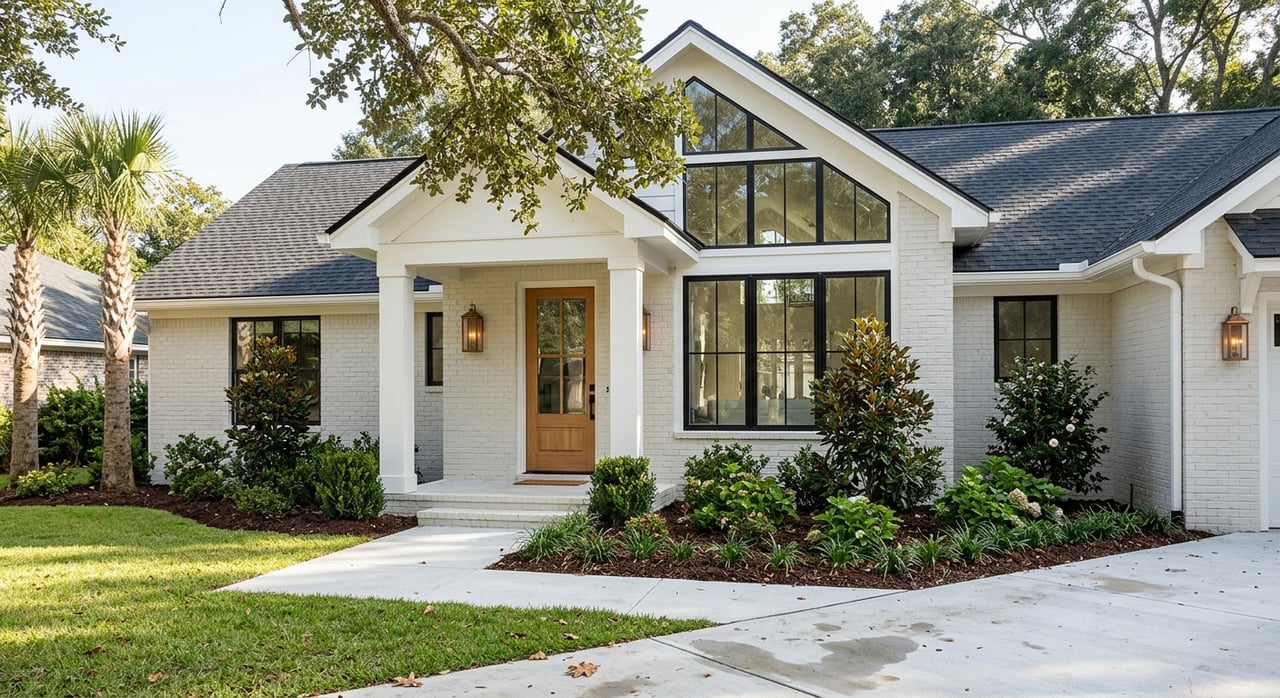
If your wish list includes newer finishes, more modern floor plans, and less immediate repair work, your search may move toward the edge of Statesboro or beyond it. The city’s housing study says the newest residential development has occurred near the city boundary, and much of Bulloch County’s newer housing growth has been outside Statesboro.
The city’s comprehensive plan draft also notes that only 11.7% of Statesboro’s housing stock was built since 2010. That means truly newer options exist, but they are a smaller part of the total inventory.
For a first-time buyer, this often comes down to priorities. If you want newer construction, you may need to widen your search area and stay flexible about being farther from downtown or campus.
Some buyers want more elbow room and a setting that feels less dense. In Statesboro, that kind of search often points toward the outer edge of town or just outside the city limits in Bulloch County.
This is especially worth considering if yard space, privacy, or a more spread-out pattern matters to you. Because outward growth has been a major part of local development, you may find that these areas line up better with your goals than the in-town core.
The tradeoff is usually convenience versus space. You may gain a larger lot or quieter setting, but daily drives can become a bigger part of your routine.
If you want an older in-town feel, the Downtown District is one of the clearest places to start. The city’s comprehensive plan draft describes it as the historic core and cultural hub, with traditional development patterns along the sidewalk and a lively streetscape.
For first-time buyers, this area can make sense if you value being closer to downtown activity and want a more walkable setting. It is also where you are more likely to compare older homes or nearby small attached options rather than brand-new subdivision housing.
Because housing age and condition can vary more here, it is wise to look carefully at each property rather than assuming homes in the same general area will offer the same level of updates.
The University District is anchored by Georgia Southern University. The city’s plan says this area should emphasize pedestrian, bike, and transit access, and local housing research shows apartments and townhomes cluster near campus.
This area can appeal if you want to stay close to the university environment or prefer more attached housing choices. It is also the part of the market most likely to feel student-influenced and rental-heavy.
That does not make it right or wrong for a first-time buyer. It just means you should go in with clear expectations about housing mix, activity levels, and the overall feel of the area.
Established Residential Neighborhoods are described in the city’s plan as primarily residential areas where significant growth or change is generally not anticipated. For you, that often means a steadier neighborhood pattern with more existing homes than new construction.
This can be a strong fit if you want a traditional single-family search and prefer a more settled environment. You may also find that these neighborhoods make it easier to compare homes based on updates, lot size, and layout rather than on major differences in surrounding land use.
If you are a first-time buyer who wants predictability, this category is often a smart place to focus early in your search.
Developing Neighborhoods can include single-family homes, townhomes, and other low- to medium-density residential development. The city’s plan also notes that some of these areas may include neighborhood-serving commercial uses.
For first-time buyers, this is often the best general category to explore if you want newer streets, a more suburban pattern, and some active new-build possibilities. It offers a middle ground between the older in-town core and more rural-feeling areas outside the city.
Because development can still be evolving, it helps to compare not just the home itself but also the surrounding pattern of roads, nearby services, and future growth.
Neighborhood Centers and Activity Centers are transition areas that may include housing alongside offices, services, and mixed-use development. These can work well if you like having errands and everyday destinations nearby.
For some first-time buyers, that convenience is a real plus. For others, a less purely residential setting may not match the feel they want.
This is a good area type to tour in person. A quick drive or walk can tell you a lot about whether the balance of homes, businesses, and traffic fits your day-to-day lifestyle.
Statesboro remains relatively affordable compared with many markets, but price can vary widely based on age, condition, and location. Recent trackers show different numbers, including a March 2026 median sale price of $219,000 from Redfin and a March 31, 2026 figure of $270,833 from Zillow, so the safest takeaway is that there is no single number that tells the whole story.
The city’s housing study found that most homes were under $200,000 at the time of that analysis, with supply concentrated in the middle of the market. For today’s first-time buyer, a useful working rule is that older or renovation-needed homes may sit at the lower end, many starter-home searches cluster in the low-to-mid $200,000s, and newer or larger homes are more likely to push higher.
That is why comparing only price can lead you in the wrong direction. A lower number may come with more repairs, while a higher number may reflect newer construction, more space, or a location with a different neighborhood pattern.
If you are feeling torn between several parts of Statesboro, start by ranking your top priorities. Most first-time buyers can narrow the field quickly by deciding which matters more: being in town, having newer construction, reducing maintenance, or getting more land.
It can help to use a simple checklist like this:
You should also ask practical questions early. How much renovation can you realistically handle? How important is it to avoid a rental-heavy setting? How close do you want to be to downtown or Georgia Southern?
Local zoning questions can be verified through the Planning & Development Department, and the zoning map is searchable through the Bulloch County Tax Assessor. That can be especially helpful if you are comparing mixed-use areas, attached housing, or properties near areas of ongoing growth.
Your first home does not have to check every box forever. It just needs to fit your budget, your daily routine, and your comfort level with maintenance, location, and future plans. If you want help comparing Statesboro home styles and area types with a clear local strategy, Marcy Todd is here to guide you through the process.
I truly enjoy working with buyers, sellers, investors, and anyone looking to buy or sell! If I can assist you with your real estate needs or answer any questions, please don't hesitate to contact me.