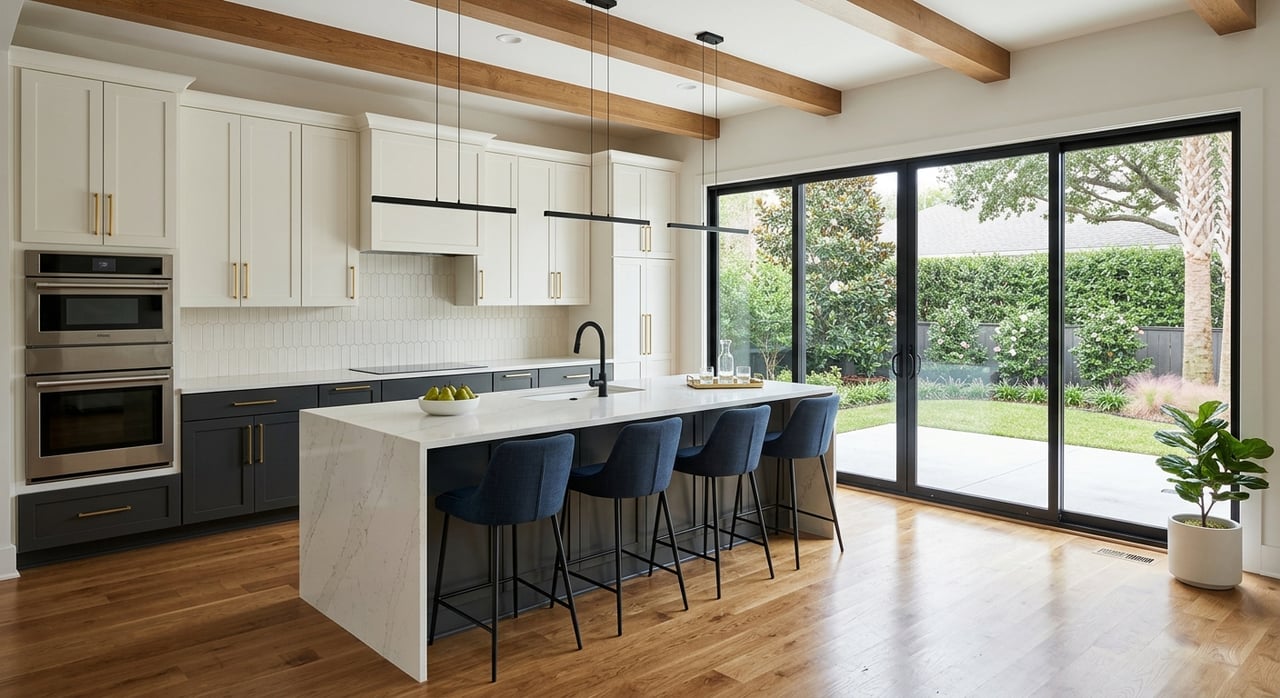
Comparing Savannah vs Statesboro Housing for Your Move
Trying to choose between Savannah and Statesboro for your next move? While both are in Southeast Georgia, they offer very different day-to-day experiences. If you want a clearer picture of housing, lifestyle, commuting, and long-term fit, this guide will help you compare the two with confidence. Let’s dive in.
Savannah and Statesboro may look close on a map, but they feel very different once you picture daily life. Savannah is the larger city by a wide margin, with an estimated 148,808 residents in 2024 across 106.85 square miles, while Statesboro has 35,226 residents across 14.98 square miles, according to the U.S. Census QuickFacts for Savannah and Statesboro.
That size difference shapes almost everything. In simple terms, Savannah offers a broader city experience with more neighborhood variety, while Statesboro feels smaller, more compact, and more tied to its college-town identity.
Savannah is known for its historic urban character and walkable core. The Historic Landmark District includes 23 squares along with restored 18th- and 19th-century homes, which gives the city a strong sense of place.
If you are drawn to established neighborhoods, preserved architecture, and a city with a coastal and riverfront identity, Savannah may feel like a natural fit. Its larger footprint also means you can explore a wider mix of housing settings and neighborhood styles.
Savannah may be a stronger match if you want:
These points reflect the city’s scale, historic district identity, and housing data rather than a one-size-fits-all ranking.
Statesboro has a much smaller footprint and a different rhythm. Georgia Southern University describes its Statesboro campus as the university’s largest campus and says it offers the classic college-town experience. The university reports 27,506 total fall 2024 enrollment, including 18,258 students on the Statesboro Campus.
That university presence is a major part of the local environment. Statesboro’s downtown planning also points to historic architecture and a more compact, walkable urban development pattern, but overall the city functions on a smaller scale than Savannah.
Statesboro may be a stronger match if you want:
For some buyers, that smaller scale feels manageable and practical. For others, it may feel too limited compared with the variety Savannah offers.
One of the clearest differences between Savannah and Statesboro shows up in housing and household data. In Savannah, the Census reports an owner-occupied housing unit rate of 45.4%, a median owner-occupied home value of $248,900, and median gross rent of $1,382. Median household income is $57,137.
In Statesboro, the Census reports an owner-occupied housing unit rate of 22.1%, a median owner-occupied home value of $197,900, and median gross rent of $944. Median household income is $44,737.
These figures do not tell you everything about either market, but they do offer useful clues. Savannah’s higher owner-occupancy rate suggests a market with more long-term homeowners and a more ownership-oriented housing environment.
Statesboro’s much lower owner-occupancy rate points to a more renter-heavy market. That can matter if you are deciding whether you want a neighborhood feel shaped more by long-term ownership or by more frequent turnover tied to rentals and university demand.
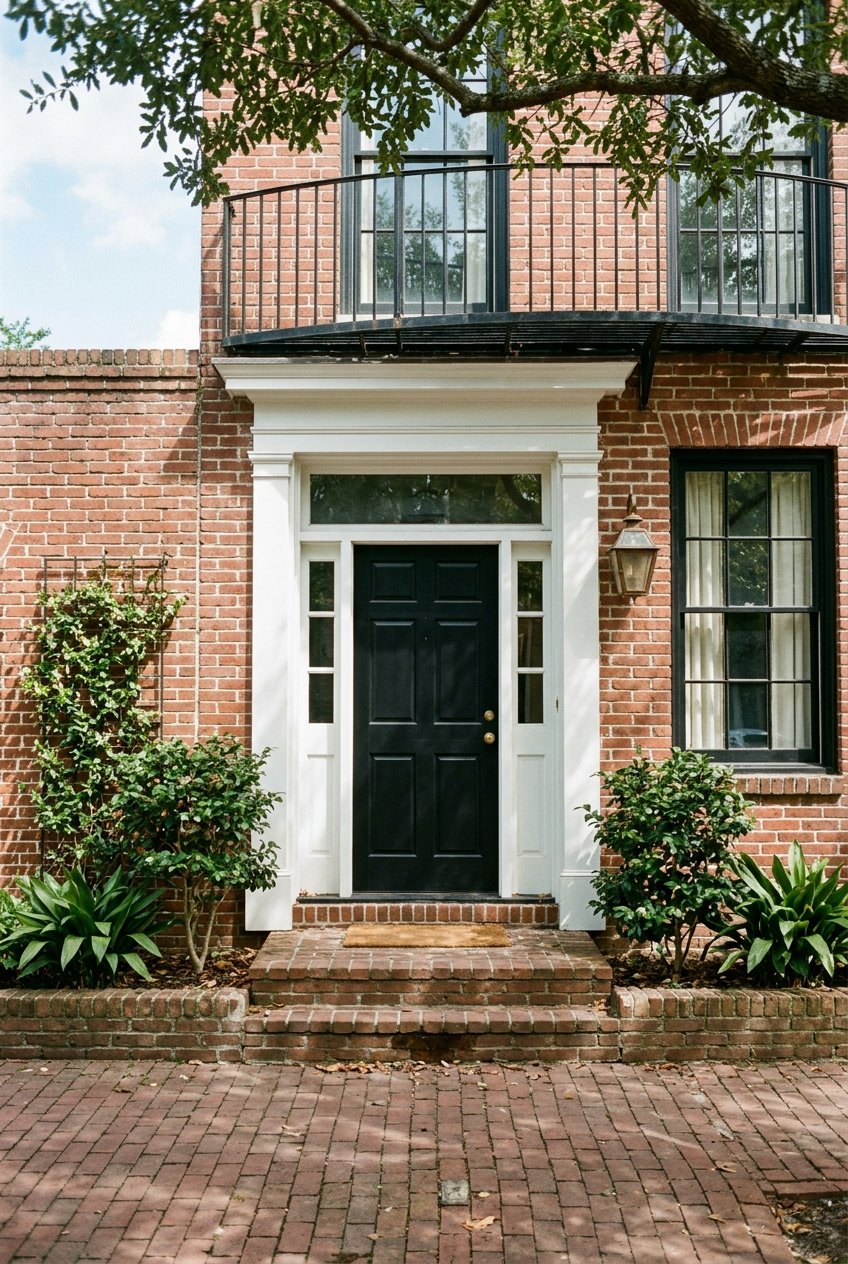
Housing texture matters just as much as price. In Savannah, the Historic Landmark District highlights restored older homes and a strong preservation aesthetic, which supports the city’s established and character-rich feel.
Statesboro’s housing story is different. Its downtown planning emphasizes a compact core and historic architecture, but the overall market is more strongly influenced by the university and the needs of a college-town population.
If you are deciding based on atmosphere, here is a simple comparison:
| Category | Savannah | Statesboro |
|---|---|---|
| Overall scale | Larger city | Smaller city |
| Identity | Historic coastal and riverfront city | College-town environment |
| Housing texture | Established neighborhoods and restored older homes | Smaller downtown core with university influence |
| Ownership pattern | More owner-oriented | More renter-heavy |
| Cost baseline | Higher | Lower |
Your daily routine can feel very different in each city. Savannah’s mean travel time to work is 20.7 minutes, while Statesboro’s is 22.9 minutes, based on Census data.
Savannah also offers more transit choice. Chatham Area Transit serves Savannah, unincorporated Chatham County, and parts of Garden City. Its free downtown DOT shuttle runs on two loops, serves 18 stops, arrives every ten minutes, and operates seven days a week. The Savannah Belles Ferry also provides free passage across the river.
Statesboro’s local transit is more limited. The City of Statesboro says SAT operates Monday through Friday from 6:00 a.m. to 6:00 p.m. on two mostly fixed routes, with a downtown transfer station and a $1 one-way fare, plus discounts for some riders.
In practical terms, Savannah supports more mixed-mode living in the urban core. You may have more flexibility if you want to combine driving, walking, shuttle service, or other local transit options.
Statesboro tends to support a simpler and more car-centered routine. That may work well if you prefer a smaller-city layout or if your routine is closely connected to the university or nearby destinations.
Not really. While both cities are part of Southeast Georgia, they function as separate lifestyle and commute environments.
Georgia Southern’s intercampus shuttle between the Statesboro and Savannah campuses runs daily during classes and takes about 1 hour and 15 minutes each way. That travel time reinforces the idea that choosing between Savannah and Statesboro is less about picking a suburb and more about choosing the daily environment that fits you best.
The better fit depends on what you want your life to look like after the boxes are unpacked. If you want historic-coastal identity, a wider range of neighborhoods, and a market that appears more ownership-oriented, Savannah may be the stronger match.
If you want a smaller college-town rhythm and a lower cost baseline, Statesboro may make more sense. Neither city is universally better. The right choice comes down to how you want to live, commute, and invest in your next chapter.
If you are still weighing both options, ask yourself:
The answers usually make the direction much clearer.
If you want help comparing Savannah-area opportunities with your budget, timeline, and long-term plans, connect with Marcy Todd. You will get local guidance rooted in experience, plus support whether you are buying, selling, or planning for a rental or investment property.
I truly enjoy working with buyers, sellers, investors, and anyone looking to buy or sell! If I can assist you with your real estate needs or answer any questions, please don't hesitate to contact me.