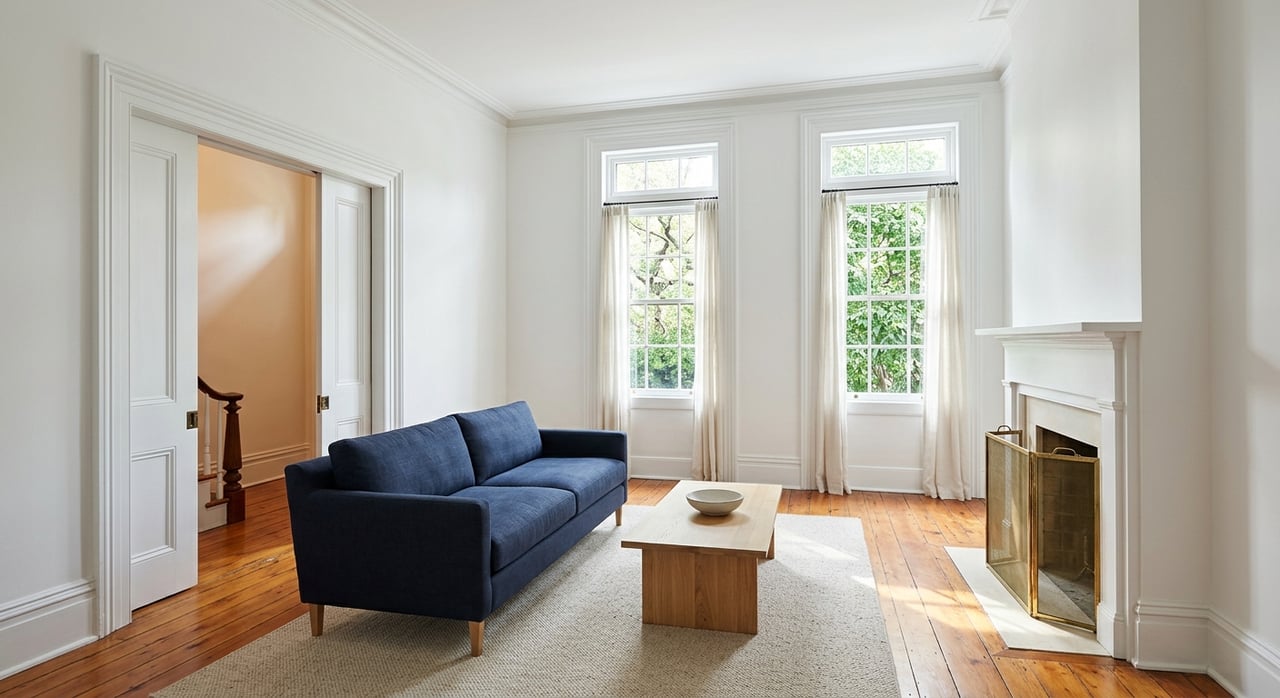
Preparing To List A Historic Savannah Home
Wondering how to get a historic Savannah home market-ready without stripping away the character that makes it special? If you are preparing to list in the Historic District, you are balancing more than curb appeal. You also need to think about preservation rules, smart presentation, and the paperwork buyers will expect. This guide will walk you through what to focus on before your home hits the market so you can move forward with more confidence. Let’s dive in.
If you own a home in Savannah’s Historic District, pre-listing prep is not just about cosmetic updates. The City of Savannah says new construction and most renovations in local historic districts are subject to historic-preservation review. Certain material changes to exterior appearance may also require a Certificate of Appropriateness before work begins.
That matters because a well-meant project can create delays if you skip the review step. Before painting, replacing exterior materials, updating windows, or changing porch details, it is smart to confirm whether city approval is needed. Special requirements may also apply in the Landmark Historic District and nearby historic areas.
For most sellers, the exterior is where the rules matter most during listing prep. Savannah’s review language centers on exterior appearance and material changes, so that is the area to check before hiring anyone. Interior decluttering and staging are generally a separate issue.
This is one reason historic-home prep works best when it is planned early. If you know you want to freshen up the front facade or repair visible trim, give yourself time to confirm the right path first. A smoother prep timeline can help you avoid rushed choices right before photos and showings.
Historic homes often show best when they feel cared for, not remade. National preservation guidance emphasizes keeping character-defining materials and features in place, repairing rather than replacing historic fabric when possible, and making any new work compatible with the original home.
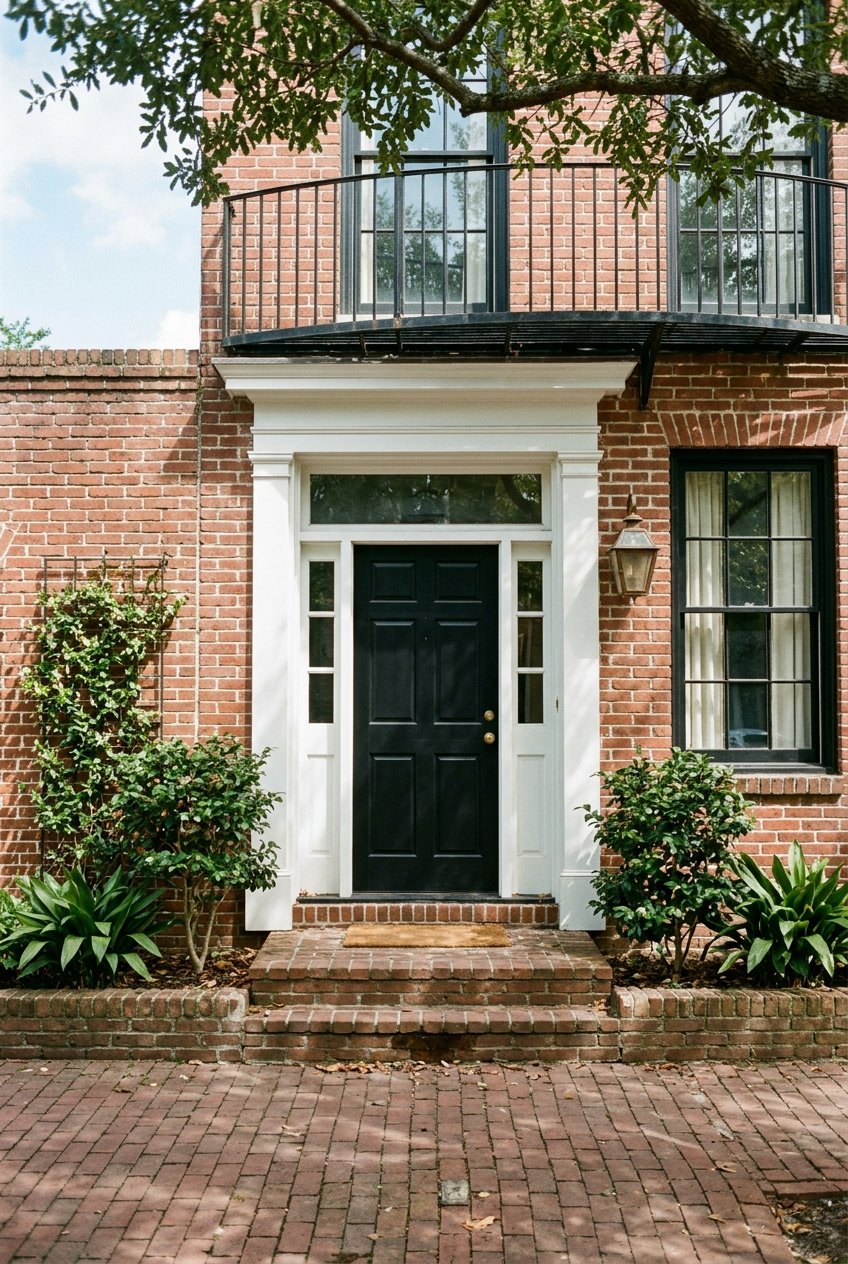
For you as a seller, that usually means resisting upgrades that erase what makes the property memorable. Original trim, old-growth floors, fireplaces, proportions, porch details, and other historic elements can be strong selling points when they are clean, visible, and well maintained. Buyers looking at a historic Savannah home are often drawn to that sense of authenticity.
If something is worn or deteriorated, thoughtful repair may be more appropriate than a full swap. That approach supports the home’s character and also helps you present updates in a way buyers can understand. Instead of making the house feel inconsistent, compatible repairs can make it feel well stewarded.
That does not mean every older feature has to look perfect. It means your home should feel honest, sound, and thoughtfully prepared. In many cases, buyers respond better to a historic property that is accurately presented than one that feels overdone.
When it comes to staging a historic Savannah home, less is often more. A clean, photo-ready presentation helps buyers notice the architecture instead of getting distracted by personal items, heavy décor, or crowded rooms. In a home with original details, visual clarity matters.
The National Association of Realtors reported in its 2025 staging profile that 83% of buyers’ agents said staging made it easier for buyers to picture a property as their future home. The same report found that buyers ranked the living room, primary bedroom, and kitchen as the most important spaces to stage.
Sellers’ agents in the same report most often recommended three basics:
Those steps are especially useful in a historic property. Clean sightlines help original millwork, ceiling height, fireplaces, flooring, and room proportions stand out in listing photos. A tidy porch, a clean entry, and simple styling can also support stronger first impressions.
Photos matter more than ever. In the same staging report, 88% of sellers’ agents said photos were much more important or more important to clients, and many also valued video and traditional staging.
At the same time, buyers can be disappointed when homes do not match unrealistic expectations. NAR found that 58% of respondents said buyers were disappointed when real homes did not look like homes on television. The goal is not to make your home look artificial. The goal is to make it look its best while still feeling true to the property.
Historic-home buyers often want more than charm. They want reassurance. One of the best ways to build confidence is to organize your paperwork before the listing goes live.
A strong pre-listing packet for a historic Savannah home may include:
Savannah’s COA process calls for drawings, photographs, plans, and specifications, and preservation guidance also stresses the value of documentation before rehabilitation work. If you already have records, gathering them early can make questions easier to answer later.
If you need touch-ups or repairs before listing, choose professionals carefully. Georgia advises homeowners to verify licenses for residential and general contractors, as well as subcontractors.
That is especially important in older homes, where even routine work can involve several trades. Clear records and qualified professionals can help support your listing story and reduce buyer concerns during due diligence.
Many historic Savannah homes were built before 1978, so lead-based paint disclosures can be part of the sales process. Federal law requires sellers, landlords, real estate agents, and property managers to disclose known lead-based paint information before a sale or lease of pre-1978 housing. Sellers must also provide available records and reports, include a Lead Warning Statement, and allow a 10-day inspection or risk-assessment period unless that right is waived.
EPA guidance says older homes are more likely to contain lead-based paint, and it estimates that 87% of homes built before 1940 have some lead-based paint. For many homes in the Historic District, that makes early preparation especially useful.
If you are doing prep work that disturbs painted surfaces, lead-safe practices matter. EPA warns that renovation, repair, and painting jobs in pre-1978 homes can create significant lead dust. If your pre-listing plan includes scraping, sanding, or more involved repairs, trained professionals may be the safer route.
This is another reason to plan ahead instead of rushing through improvements just before launch. A careful approach protects the home, the people working in it, and your timeline.
Historic homes are inspected with a different lens than newer properties. Buyers are often trying to understand not just current condition, but also how the home has been maintained over time. Questions about repairs, updates, approvals, and records are common.
Georgia Consumer Ed advises buyers to include a home inspection or financing contingency in their offers so they can walk away if a serious structural problem appears. For you as a seller, that means inspection-driven negotiation is a normal part of the process, especially with an older home.
The best approach is usually simple. Present the home as well maintained and accurately described, not flawless. Preservation guidance supports repair over replacement and compatible updates when something has deteriorated, which gives you a grounded way to talk about the property.
That kind of presentation can help buyers focus on what matters most: the home’s character, the care it has received, and the clarity of the information you provide. When buyers feel uncertainty, they slow down. When they feel informed, they are better able to appreciate the value of a historic property.
If you are preparing to list a historic Savannah home, your checklist should be practical and focused. In most cases, the strongest results come from a combination of careful maintenance, thoughtful styling, strong photography, and complete records.
A simple way to think about it is this:
Historic Savannah homes often sell best when buyers can clearly see both the beauty and the stewardship. When your home is cleaned, photographed well, documented carefully, and presented honestly, it becomes easier for buyers to connect with its story and feel confident about the next step.
If you are getting ready to list in Savannah’s Historic District and want a plan that respects both the market and the property, Marcy Todd can help you prepare, market, and navigate the process with clear local guidance.
I truly enjoy working with buyers, sellers, investors, and anyone looking to buy or sell! If I can assist you with your real estate needs or answer any questions, please don't hesitate to contact me.