Savannah Coastal Lifestyle Homes & Buying Considerations
Imagine coffee on a shaded porch while a river breeze drifts through, or a quick drive to the beach for an afternoon swim. If you’re daydreaming about life in Savannah, you’re not alone. The city’s coastal setting and historic charm shape everything from daily routines to what you should look for in a home. In this guide, you’ll learn how climate, flood resilience, outdoor living, and neighborhood styles influence smart home choices in Savannah and greater Chatham County. Let’s dive in.
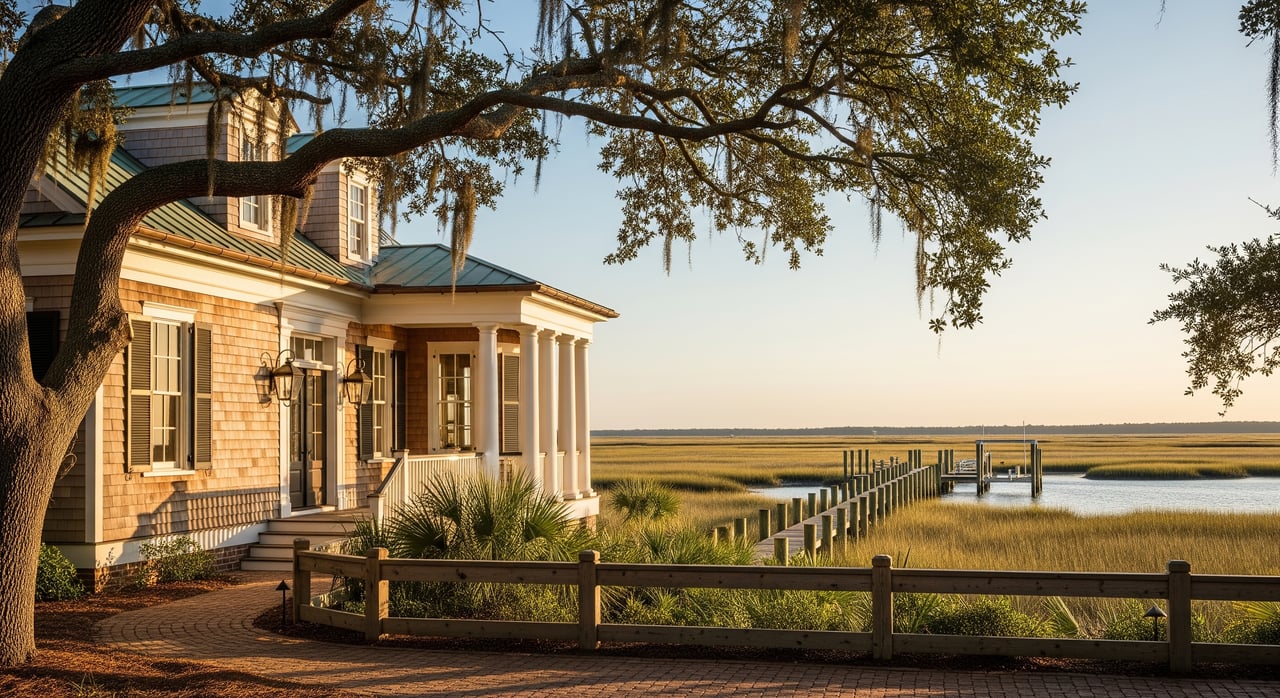
Savannah sits on the Savannah River and is surrounded by tidal marshes and barrier islands like Tybee, Wilmington, and Whitemarsh. This geography shapes neighborhood layouts, views, and your access to water. It also creates a strong outdoor culture built around boating, fishing, beach days, and marsh walks.
Savannah has a humid subtropical climate with hot, humid summers and mild winters. You can enjoy outdoor living most of the year, but you’ll plan for heat and humidity in summer and a hurricane season that runs from June to November. Salt-laden air and moisture can accelerate wear on materials and mechanical systems, so maintenance planning matters.
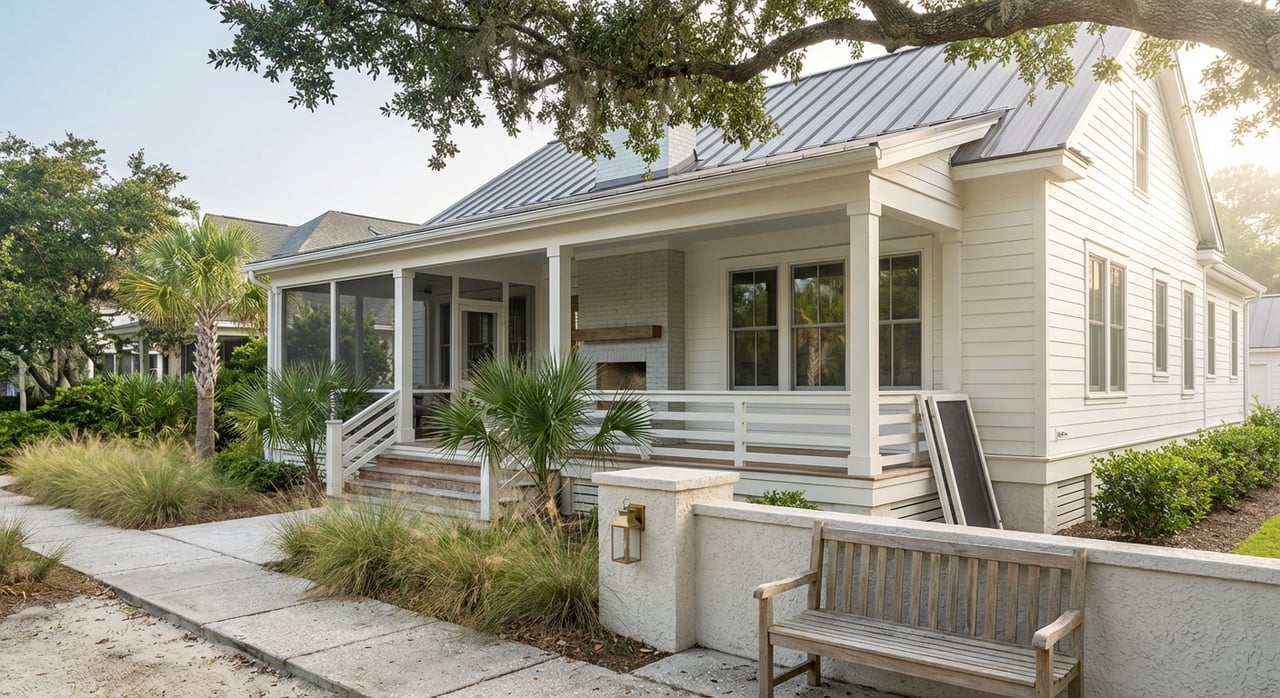
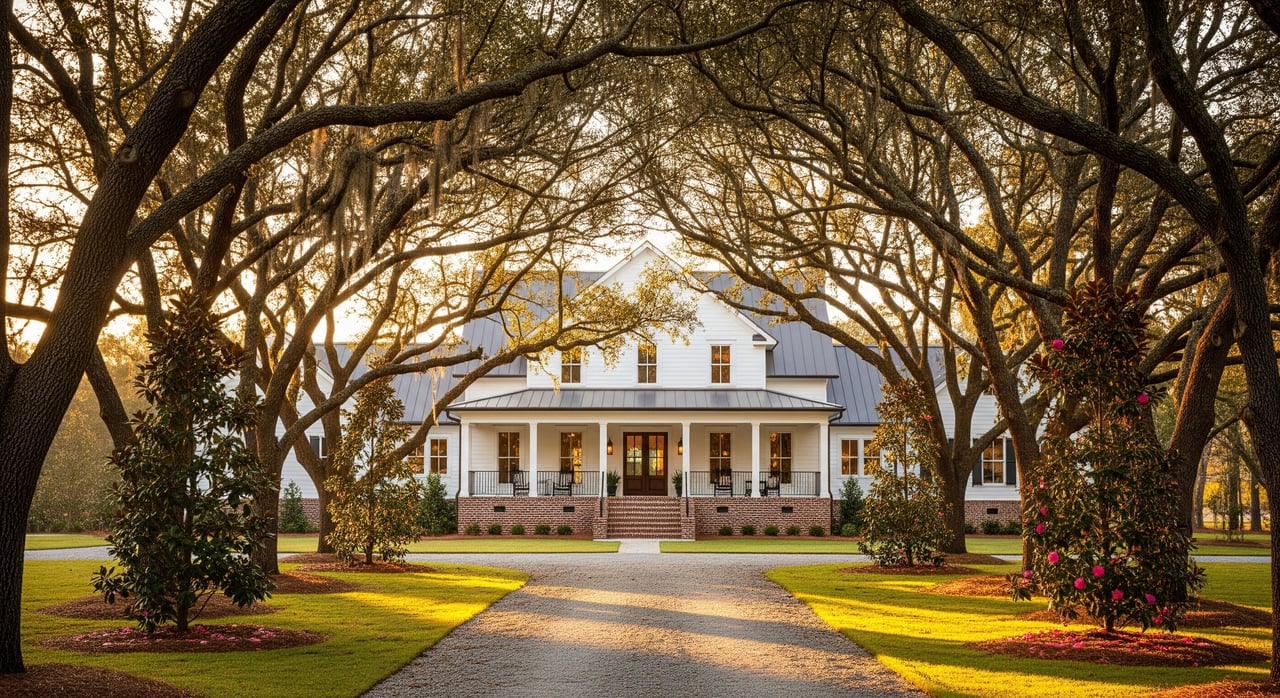
Porches and piazzas are part of Savannah’s DNA. Buyers often seek wide front porches for shade, evening breezes, and easy social time. Screened porches, balconies, and rooftop decks are popular for marsh, river, or square views and for practical mosquito control.
Walkability to parks and squares is a major draw. Being near Forsyth Park, the riverwalk, or local restaurants can drive your neighborhood choice if you value a car-light lifestyle. If you picture sunset strolls and impromptu meetups on a square, focus your search near downtown.
In low-lying areas, you’ll see raised foundations, pier-and-beam designs, or elevated slabs. These details aren’t just aesthetic. They help manage tidal flooding and storm surge exposure common along the coast.
Look for practical flood mitigation: elevated mechanicals and electrical panels, flood vents, waterproofed ground floors, and documented improvements that reduce risk. An elevation certificate helps you and your insurer understand the property’s relative risk.
Private docks, bulkheads, or direct boat access are prized by boaters and anglers. They also come with maintenance and permitting responsibilities. If you love the water, weigh the joy of quick access against higher upkeep and potential insurance costs.
Coastal conditions favor durable, low-maintenance exteriors. Many buyers prefer fiber-cement siding, painted masonry, stainless or galvanized metals, and composite decking that stands up to salt and humidity. HVAC systems work hard here, so look for corrosion-resistant components, strong capacity, and service records. Proper grading, gutters, and drainage are also key to moving water away from the foundation.
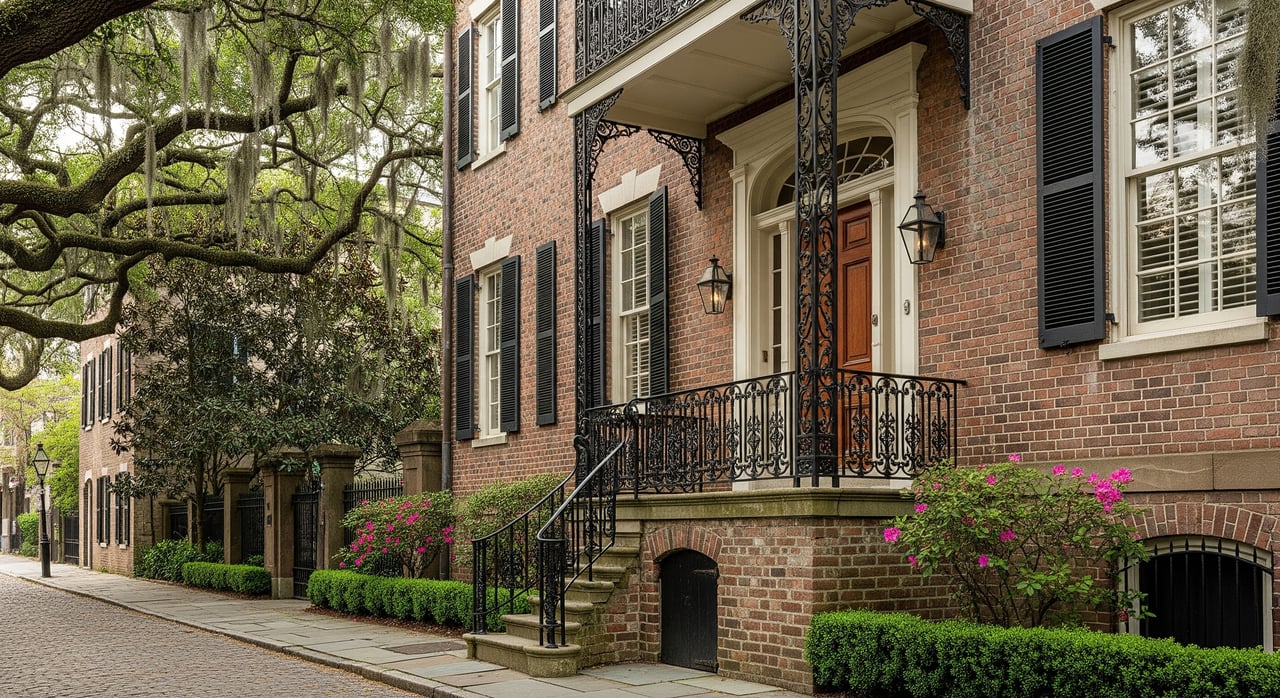
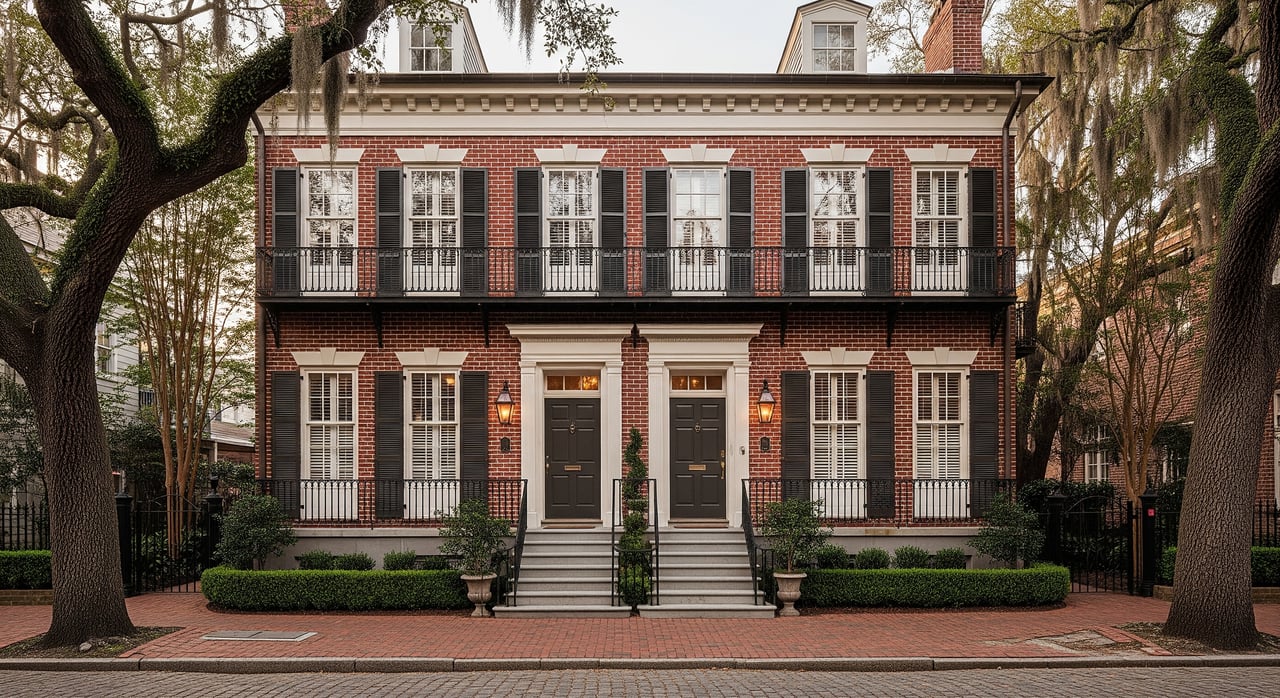
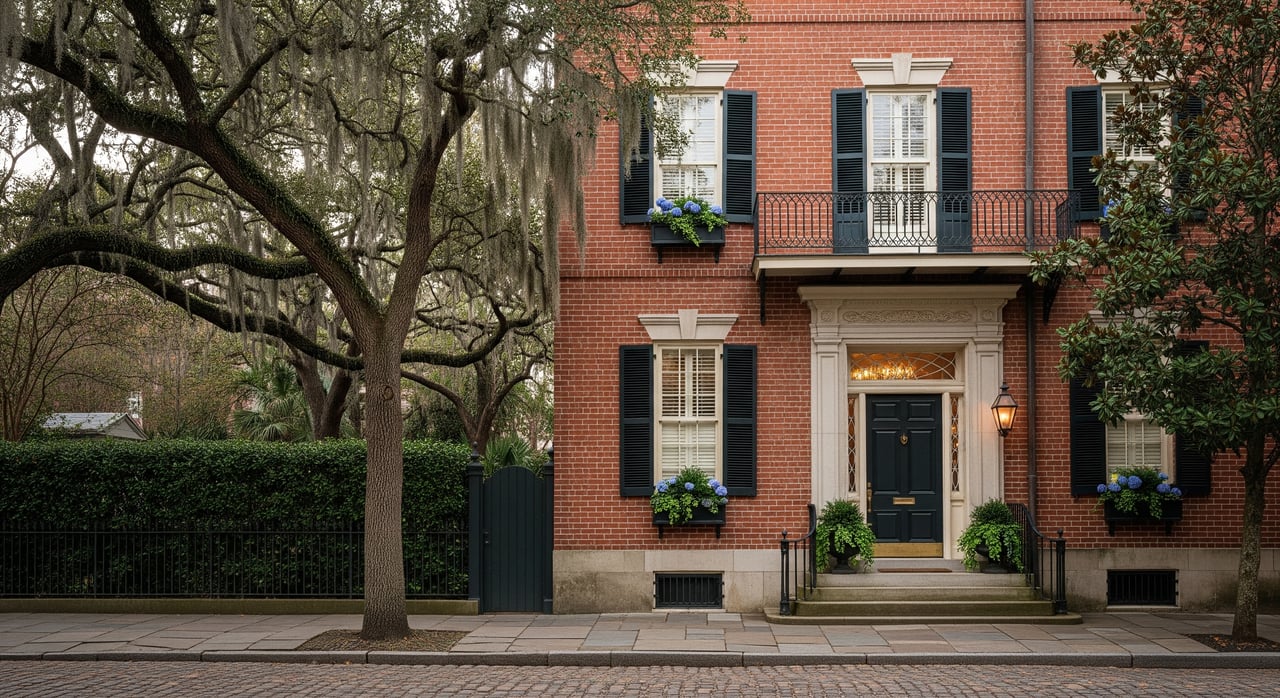
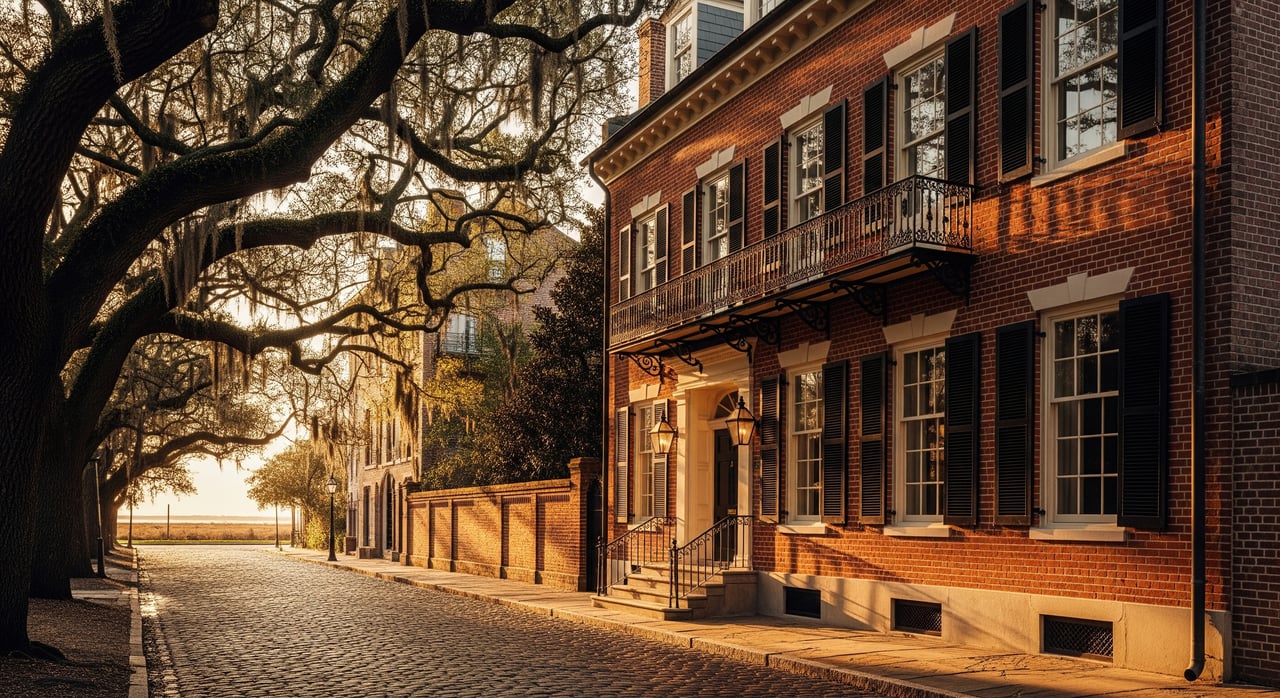
Savannah’s National Historic Landmark District features narrow lots, public squares, and a mix of house types with distinctive details like high ceilings and transoms. If you’re drawn to authentic character and walkable streets, it’s a great fit. Exterior changes are regulated, so plan for approvals if you want to alter facades, porches, or add-ons.
In dense historic neighborhoods, off-street parking can be limited. If a garage or easy parking is high on your list, consider near-core areas or newer subdivisions that offer more space.
If you want freedom to expand or modernize, you may prefer areas outside the most tightly regulated historic core. Buyers often choose homes with updated systems, insulation, and flood mitigation already completed to balance charm with comfort.
You’ll find rowhouses and townhomes close to restaurants, cultural sites, and public squares. The lifestyle is highly walkable with strong historic character and less private outdoor space. Expect tourism activity and plan for limited parking.
Early 20th-century homes, bungalows, and leafy streets define these neighborhoods. They offer a balance of space and access, often with front porches and mature landscaping. Some preservation considerations may still apply, so check guidelines if you plan exterior changes.
Areas like Tybee Island, Wilmington Island, and Whitemarsh offer beach access and relaxed coastal living. Elevated homes, beach cottages, and condos are common. You’ll factor in seasonal crowds, evacuation routes, storm surge risk, and higher maintenance for waterfront structures.
Pooler, Garden City, and Southside areas lean suburban with newer single-family homes, planned subdivisions, and more garages and parking. These neighborhoods are more car-dependent and offer access to major corridors like I-95 and I-16. Flood exposure varies by area.
Newer builds often incorporate coastal-code design, resilient materials, and modern mechanicals. If you want lower maintenance from day one, new construction can be a strong choice.
Urban/coastal living near the squares and River Street means easy walkability and quick access to dining and culture. Island living emphasizes bridges, tides, and seasonal traffic patterns that can affect commute times. If you split your time between the beach and downtown, preview both drives at peak times before you decide.
These moments guide practical choices like prioritizing a screened porch, easy gear storage, or a home with quick access to bridges and tide-friendly launch points.
Savannah offers a rare blend of coastal-urban living, historic character, and year-round outdoor enjoyment. The right home comes down to smart tradeoffs: walkability and charm versus parking and modification flexibility, and waterfront access versus higher maintenance and insurance. If you focus on location, elevation, and how you want to live day to day, you’ll find a home that fits your lifestyle and your budget.
Ready to explore homes that match your vision and keep you protected from coastal risks? Let’s plan your search and cover due diligence the right way. Reach out to Marcy Todd for buyer representation, listing support, or property management continuity when you’re ready to make a move.
I truly enjoy working with buyers, sellers, investors, and anyone looking to buy or sell! If I can assist you with your real estate needs or answer any questions, please don't hesitate to contact me.