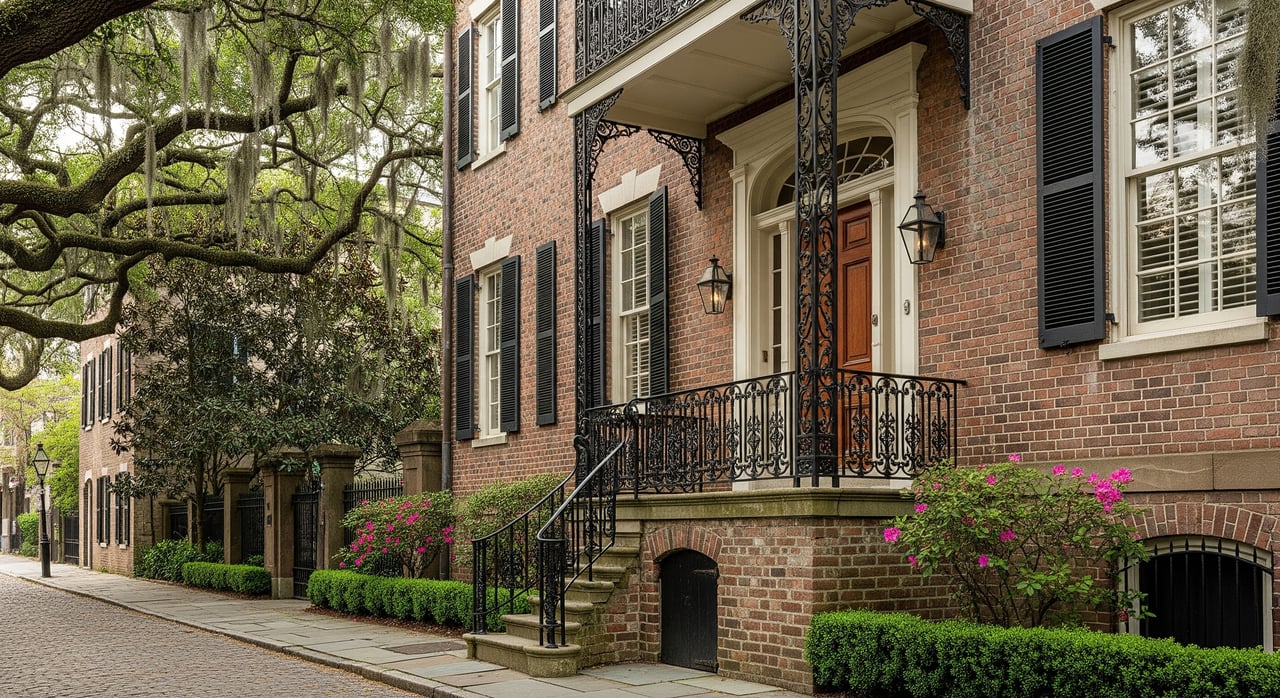
You know price per square foot doesn’t tell the full story in Savannah’s Historic District. Every block has its own rhythm, and every home has a past. If you’re trying to set a price without perfect comps, it can feel like guesswork. In this guide, you’ll get a clear framework to price a unique historic property with confidence by focusing on the variables that matter most, making transparent adjustments, and using smart market testing. Let’s dive in.
Why comps fall short here
High variety in homes
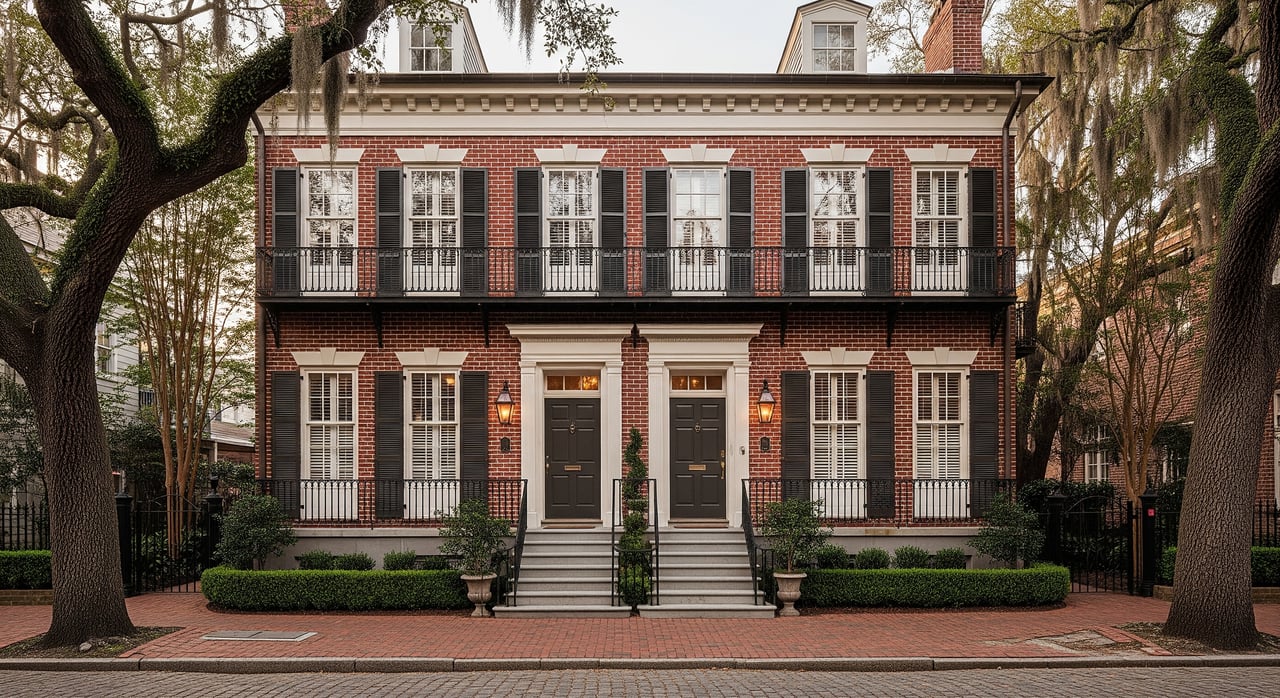
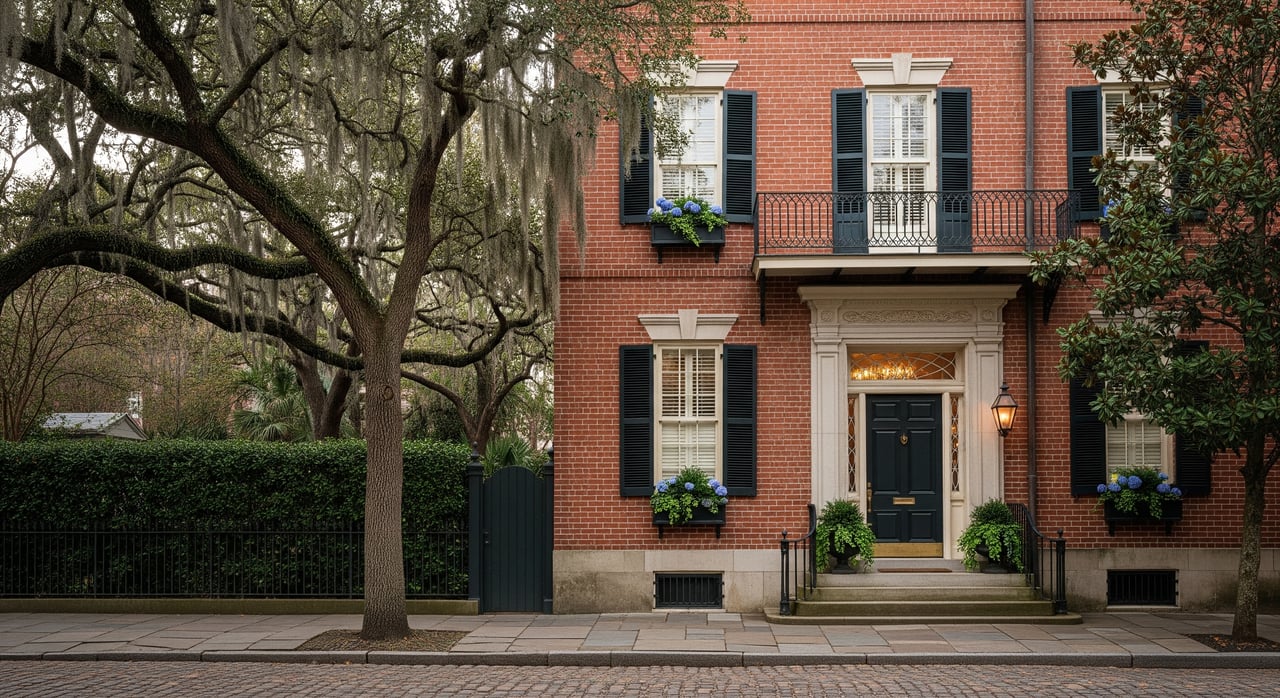
Homes in the Historic District differ by era, architectural style, lot layout, and historic fabric. Original woodwork, plaster walls, and ironwork can elevate demand, while insensitive alterations can do the opposite. That range makes one-size-fits-all comps unreliable.
Micro-location matters
Proximity to a particular square, River Street, tourist corridors, or commercial activity can change buyer demand within a few blocks. Street type and traffic also play a role. A quiet residential block prices differently than a mixed-use corridor.
Rules and permits shape demand
Exterior changes often require review and a Certificate of Appropriateness through local preservation authorities. Existing preservation easements, COA history, and legal uses such as licensed short-term rentals can shift value because they affect what a buyer can do next.
Condition and financing constraints
Older systems, structural concerns, or deferred maintenance can limit the pool of buyers and lenders. Some sales are driven by cash buyers or investors, which can pull prices away from typical owner-occupant dynamics.
Build a pricing framework
Choose the right comps
Start with a disciplined selection method. Prioritize:
- Same block or nearest square when possible.
- Similar architectural type and style.
- Comparable usable living area and bed/bath count.
- Similar condition and systems.
- Similar legal status: owner-occupied, multifamily conversion, or licensed STR.
Include recent solds, active listings, and expired listings to see traction and rejection points. Document why each comp made the cut and how it differs from your home.
Adjust with transparency
Use line-item adjustments instead of gut calls. Explain each difference:
- Condition and systems: structural integrity, HVAC age, electrical and plumbing type, roof, moisture or termite issues.
- Usable area: conditioned living space versus attics or unfinished basements; converted accessory space.
- Parking: off-street or alley access can command a premium.
- Outbuildings and secondary units: carriage houses or apartments with clear, legal use.
- Location premiums or penalties: proximity to squares, riverfront, or high-traffic corridors.
- Legal uses: a licensed STR or established rental use can change the buyer pool and value.
Price obvious repairs with cost-to-cure estimates from contractors. For intact historic features that are rare and desirable, look for support in similar sales or expert opinions to justify a positive adjustment.
Document what makes your home different
The more you can prove, the less you have to argue. Gather:
- Recent inspection and pest reports.
- Historic documentation: restoration permits, surveys, photos of past work.
- COA and permit history, including any open items.
- Proof of legal uses: STR license, business tax receipts, easements or covenants.
- Insurance, tax and utility history, plus any prior appraisals.
- Contractor estimates for major repairs or historically accurate restoration.
Weigh alternative valuation inputs
Cost approach for restoration-heavy homes
If comps are thin, replacement cost less depreciation can help. Historically appropriate materials and skilled labor are not cheap. Use real estimates to inform your range, especially when a property has significant salvage or restoration needs.
Income approach if rentals are in play
If your home has a legal rental unit or licensed STR, use realistic rents, occupancy, and expenses. Verify what’s legal today before you rely on income to support value. Assumptions about uses that are not permitted can lead to mispricing.
Paired-sale insights
When you can find them, compare two similar sales where one has a single differentiator, such as parking or a carriage house. That difference can reveal a market premium to apply to your subject property.
Strategy when the range is wide
Tiered pricing and market testing
Set a realistic list price that reflects the adjusted comps, plus a buffer for negotiation that fits current days-on-market. Price too high and you risk teaching the market to wait. Price too low and you may leave money behind. Use nearby actives and recent expireds to gauge how the market responds at different price points.
Reduce appraisal risk
Pre-listing inspections and clear disclosures reduce uncertainty. If you expect lender scrutiny, consider a pre-listing appraisal by a professional who knows historic properties and local nuances. This can surface issues early and support your pricing narrative.
Speak to the right buyer pool
Shape your marketing for likely buyers: preservation-minded owners, local downsizers, second-home seekers, or investors. The story of your home’s authenticity, systems, and legal uses should match who values those traits most.
Location and property variables to price
Architectural and historic fabric
- Original floors, plaster, mantels, millwork, and windows.
- Integrity of past renovations: historically sympathetic versus insensitive changes.
- Documentation of provenance: restoration records and surveys.
Physical condition and systems
- Structural soundness and foundation type.
- HVAC capacity and age; electrical and plumbing materials.
- Roof age, moisture intrusion, pest history, and insulation.
- Kitchens and baths: updated in period-appropriate ways or ready for restoration.
Site, outbuildings, and usable area
- Lot size, walled gardens, piazzas, and alley access.
- Carriage houses or secondary units with verified permitted uses.
- Clear definitions of conditioned living area versus non-living spaces.
Location nuance within the district
- Proximity to squares, riverfront, parks, schools, and major streets.
- Street character: quiet residential block versus mixed-use setting.
- Parking availability, curb cuts, and alley access.
Regulatory and legal overlays
- Certificate of Appropriateness requirements for exterior changes.
- Preservation easements or covenants that limit or guide alterations.
- Short-term rental licensing rules and current status of any rental use.
- Floodplain and FEMA designations that affect insurance and loans.
Common pitfalls to avoid
- Overweighting a single outlier sale without strong justification.
- Ignoring soft costs of preservation: time for approvals and specialty contractors.
- Assuming STR income or multifamily use that is not legally established.
For buyers: sanity check before you offer
Verify condition and financing early
- Review inspection findings, especially structure, moisture, and systems.
- Confirm your loan type fits the property’s condition.
Confirm legal and regulatory status
- Check COA history and what changes are likely to be approved.
- Verify any STR or rental licensing and permitted uses.
Understand risk and ongoing costs
- Confirm flood zone status and expected insurance costs.
- Evaluate parking, property access, and any maintenance or restoration needs.
When to involve an appraiser
If your home is truly one-of-a-kind, consider a pre-listing appraisal from someone experienced with the Historic District. Appraisers familiar with local preservation context can help you frame adjustments, anticipate lender concerns, and support a price range that stands up during underwriting. Pair that with inspections and documented estimates to create a package that builds buyer confidence.
The bottom line
Pricing a Historic District home is about disciplined comparisons, transparent adjustments, and smart validation. By focusing on architectural integrity, condition, legal uses, micro-location, and documented costs, you can set a price that reflects the market and your property’s unique story. When comps are imperfect, your preparation is the advantage.
If you’re ready to price or purchase a historic Savannah home, let’s build your plan together. Reach out to Marcy Todd to schedule a consultation.
FAQs
How do I price a Savannah historic home without perfect comps?
- Use a structured comp set plus explicit adjustments for condition, usable area, parking, location nuance, and legal uses, supported by inspections and cost estimates.
What adds the most value in the Historic District?
- Documented historic fabric in good condition, functional systems, parking, legal secondary units, and a favorable block location often carry premiums.
Do preservation rules hurt or help value?
- It depends on the buyer. Some value authenticity and neighborhood character, while others may be wary of approval timelines and costs. Price should reflect both effects.
How do short-term rental rules affect price?
- A legally licensed STR can increase value for investor buyers. If STR use is not legally established, you should not price as if that income exists.
Will flood zone status make my home unsellable?
- Not necessarily. It can narrow the buyer pool and raise ownership costs, but many purchases still proceed with appropriate price and disclosure.
Should I get a pre-listing appraisal for a unique property?
- It can help. An appraiser with historic property experience can support your pricing narrative and anticipate lender review, especially when comps are limited.