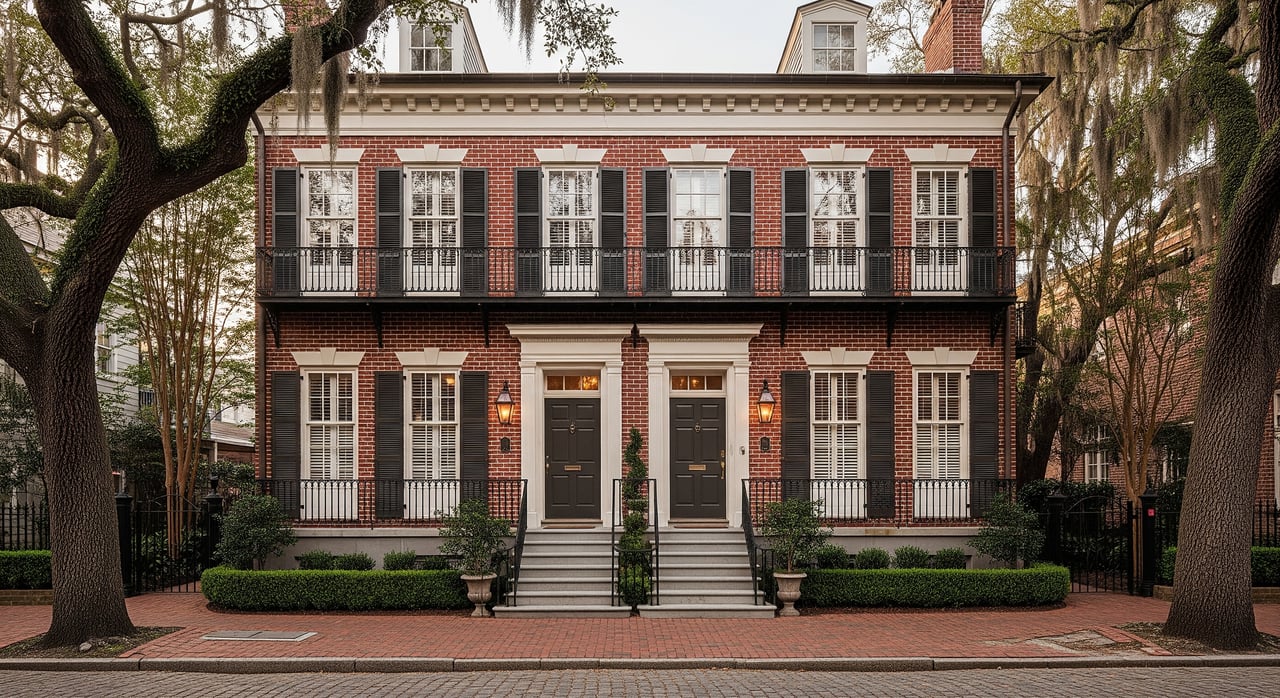
Savannah Duplex Investment: Should You Buy a Duplex?
Thinking about buying a duplex in Savannah so you can live in one unit and rent the other? You’re not alone. Duplexes can lower your monthly housing cost, build equity, and create a path into real estate investing. In this guide, you’ll learn how to evaluate Savannah’s rules and risks, choose financing that fits a house-hack, run the numbers the right way, and plan your management approach. Let’s dive in.
Savannah’s economy has multiple drivers that support rental demand, including the Port of Savannah, local universities, and a strong tourism sector that creates seasonal pressures. Those forces can help keep units occupied when you price and position them correctly. Before you buy, look at local price trends, inventory, days on market, and sale-to-list ratios for two-unit properties, not just single-family homes. Pair that with realistic rent comps and vacancy expectations so your cash flow assumptions are grounded.
Build your rent comps using multiple sources and focus on unit-by-unit comparisons that match size, condition, and location. Also consider the seasonality in Savannah’s rental demand when setting lease start dates and pricing. Watch for differences between long-term leases and furnished or short-term approaches, especially inside or near the Historic District. The more you tailor your assumptions to Savannah’s micro-markets, the better your pro forma will reflect reality.
Zoning comes first. Duplexes are allowed in certain residential and multi-family districts, but you should confirm permitted use with the City of Savannah Planning and Zoning Department before you go under contract. If the property sits inside a local or National Register historic district, exterior changes and some renovations may require review and approval from the Historic District Board of Review. Those requirements can add time and cost to your plan.
If you’re considering short-term rentals, Savannah has licensing, location, and safety rules that vary by area, and there are additional restrictions within parts of the Historic District. Confirm the current ordinance, caps, and permit process so your income plan matches what is allowed. Flood risk is another Savannah-specific checkpoint. Review FEMA flood maps and Chatham County resources, and factor potential flood insurance premiums and elevation requirements into your underwriting.
Finally, understand landlord-tenant requirements under Georgia law and local procedures in Chatham County courts. Security deposits must be handled and returned within statutory timeframes with an itemized accounting. Eviction processes and notice periods are governed by state law, and timelines are influenced by local court procedures. Also check whether any local rental registration or business licensing applies to your property before tenant move-in.
Owner-occupant loan programs can make a duplex more accessible. FHA supports 1 to 4 unit owner-occupied mortgages and is popular with first-time buyers because of lower minimum down payments and flexible credit guidelines. Conventional loans backed by Fannie Mae or Freddie Mac are also common for two-unit owner-occupied purchases, though down payment and qualification standards can be stricter. VA loans may allow eligible veterans to buy up to a 4-unit property with owner-occupancy, often with no down payment. Some community banks and credit unions offer portfolio loans with flexible terms for small multi-family.
If you plan to buy the duplex strictly as an investment and not occupy a unit, expect higher down payments, tighter underwriting, and higher interest rates. Talk early with a lender who regularly closes two-unit loans in Savannah so you understand exactly how they will underwrite your situation. Ask about current program rules, mortgage insurance, cash reserve requirements, and whether a two-unit appraisal will include a rent schedule.
Many lenders allow a portion of the other unit’s rent to help you qualify for the loan. The documentation standard varies by program and lender. Some require an existing lease, others rely on the appraiser’s market rent schedule, and many will only count a conservative percentage of projected rent. Get clarity in writing so your pre-approval reflects the actual treatment of rental income and any reserve requirements for a two-unit property.
Your budget should include down payment, closing costs, inspections, and an appraisal that covers rental income for the second unit. Some buyers set aside a repair escrow for immediate safety or code items identified during inspection. Lenders may require several months of mortgage payments in cash reserves for multi-unit purchases. Build a cushion for vacancy, make-ready costs, and leasing fees so you are not caught off guard in the first year.
Start with a simple screen to narrow your list, then dig deeper. A quick filter is the gross rent multiplier, which is purchase price divided by annual gross rent. From there, build a conservative pro forma that includes vacancy and realistic operating expenses.
Define your target return using these metrics:
Do not forget property taxes based on Chatham County assessments and millage rates. Budget for a landlord insurance policy and, if needed, flood insurance, which standard policies do not include. Estimate utilities you may carry between tenants or if systems are shared. Set aside funds for routine maintenance and repairs, typically 5 to 10 percent of rent for older stock, and a separate capital expenditure reserve for big items like roofs or HVAC.
If you plan to hire professional management, include ongoing management fees and leasing or placement fees. Account for legal costs related to lease preparation or, in worst-case scenarios, eviction. Last, include turnover and make-ready expenses such as paint, cleaning, landscaping, and marketing.
Decide who each unit is intended to serve, such as students, professionals, or long-term renters, and price accordingly. Use a consistent, fair screening process that reviews credit, income, rental history, and references while following federal, state, and local fair housing laws. Write clear leases for each unit. Address parking, yard care, quiet hours, and any shared spaces in plain language. Stagger lease expirations when possible to avoid both units turning over at the same time.
One advantage of a duplex is that two units share one footprint. That can reduce per-door costs for routine service. Be mindful of common systems such as plumbing, roofs, or HVAC equipment that could affect both units if they fail. Older Savannah properties sometimes need utility separation, life-safety upgrades, and electrical or plumbing improvements to meet modern expectations and codes. A multi-family-experienced inspector is worth the investment.
If you live onsite and have time, self-management can work and may reduce operating costs. Just be ready to handle leasing, maintenance coordination, rent collection, legal notices, and after-hours calls. Professional managers typically charge about 8 to 12 percent of monthly rent for long-term leases, plus leasing or placement fees and maintenance markups. Full-service management can streamline compliance, communications, and accounting, especially if you are new to landlording or plan to buy more units.
Match your coverage to your actual use. An owner-occupied homeowners policy will not fully cover a rental unit, so you will likely need a landlord policy, often a DP-3 or similar, for the rented side. In flood-prone areas, a separate flood policy may be required by your lender. Duplexes add liability exposure because of multiple occupants and any shared spaces. Consider endorsements or an umbrella policy and make sure smoke alarms, carbon monoxide detectors, and egress meet standards.
Pros of buying a duplex in Savannah:
Cons to keep in mind:
If you want a single point of accountability to help you buy, lease, and manage, we’re here to help. Schedule a conversation with Marcy Todd to map your financing, due diligence, and management plan so your Savannah duplex starts cash flowing with confidence.


I truly enjoy working with buyers, sellers, investors, and anyone looking to buy or sell! If I can assist you with your real estate needs or answer any questions, please don't hesitate to contact me.